




Viruses and bacteria both cause disease, but they’re completely different kinds of microscopic entities. Knowing how they differ helps explain why some infections need antibiotics, others need vaccines, and why you can “kill” bacteria with soap but only block viruses in certain ways.
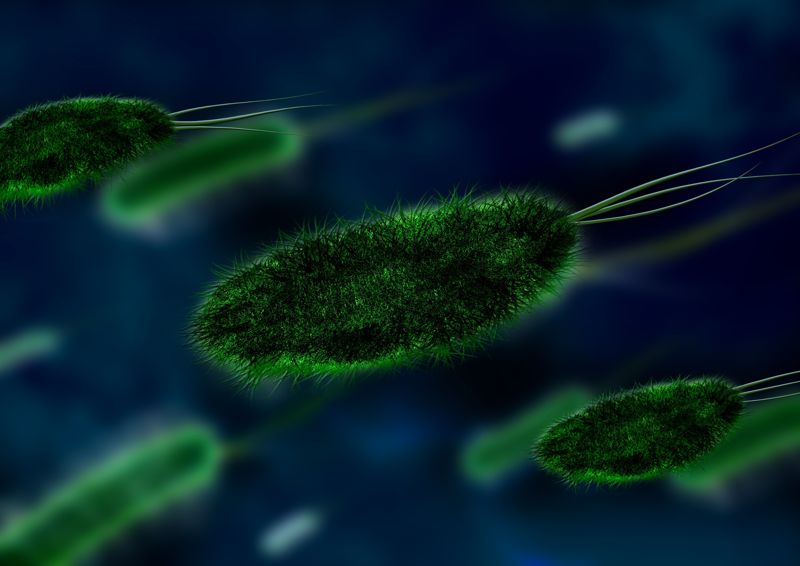
Here’s a clear breakdown of the main differences.
Size and structure
Bacteria: tiny cells
Bacteria are living cells. They are:
- Much larger than viruses (typically about 1,000 times bigger by volume).
- Cellular: they have:
- A cell membrane (and often a cell wall)
- Cytoplasm (a jelly-like interior)
- Ribosomes (for making proteins)
- Their own DNA, usually in a circular chromosome
Some bacteria also have extra features:
- Flagella for movement
- Pili for attachment
- Capsules that help them evade the immune system
Think of a bacterium as a very simple, self-contained factory that can live and reproduce on its own if it has food and the right conditions.
Viruses: genetic parasites
Viruses are much simpler:
- Not cells at all
- Made of:
- Genetic material (DNA or RNA)
- A protein coat (capsid)
- Sometimes an outer envelope made of lipids (from host cell membranes)
They do not have:
- Ribosomes
- Cytoplasm
- A cell membrane of their own (unless they steal one from the host)
A virus is basically a packet of genetic instructions wrapped in protein—more like a USB stick with instructions than a living factory.
Are they “alive”?
This is a big philosophical question in biology.
Bacteria: generally considered alive
Bacteria:
- Use energy
- Grow and divide
- Respond to their environment
- Reproduce independently
So they clearly fit most definitions of living organisms.
Viruses: in a gray zone
Viruses:
- Cannot reproduce without a host cell
- Don’t carry out their own metabolism (no breathing, no eating, no energy use on their own)
- Are inert outside a host—basically just floating particles
Because of this, many scientists say that viruses are not truly alive on their own, but become “life-like” only when inside a host cell.
How they reproduce
Bacterial reproduction: binary fission
Bacteria reproduce by binary fission:
- The bacterial DNA is copied.
- The cell grows bigger.
- It splits into two identical daughter cells.
Under ideal conditions, some bacteria can divide every 20 minutes or so. That’s why bacterial infections can sometimes spread rapidly.
Viral reproduction: hijacking a host cell
Viruses cannot divide like cells. Instead, they:
- Attach to a host cell.
- Enter the cell or inject their genetic material inside.
- Hijack the host’s machinery to make viral proteins and copies of their genetic material.
- Assemble new viral particles.
- Exit the cell (often destroying it) to infect new cells.
So while bacteria are independent reproducers, viruses are obligate intracellular parasites—they must be inside a cell to make more of themselves.
Where they live and what they infect
Bacteria
- Found almost everywhere: soil, water, air, inside and on other organisms.
- Many are harmless or beneficial:
- Gut bacteria help digest food.
- Some bacteria help plants absorb nutrients.
- Only a fraction are pathogenic (disease-causing), such as Streptococcus (strep throat) or Mycobacterium tuberculosis (tuberculosis).
Viruses
- Also found everywhere, but they can only multiply inside living cells.
- Each virus typically infects a specific range of hosts:
- Some infect bacteria (these are called bacteriophages).
- Others infect animals, plants, or fungi.
- Many viruses are pathogenic in their hosts, such as:
- Influenza viruses
- HIV
- SARS-CoV-2 (the virus that causes COVID-19)
How they cause disease
Bacterial diseases
Bacteria cause disease in several ways:
- Producing toxins that damage tissues (e.g., tetanus toxin).
- Directly invading and destroying tissues.
- Triggering inflammation that can damage organs if it becomes excessive.
Because bacteria are cells, they can form biofilms (slimy layers on surfaces) and localize in certain body areas (like abscesses).
Viral diseases
Viruses mainly cause disease by:
- Destroying infected cells as new viruses burst out.
- Interfering with normal cell functions (e.g., turning a cell cancerous in some cases).
- Triggering strong immune responses, which can themselves damage tissues (like in severe viral pneumonia).
Symptoms of viral diseases often come from a mix of cell damage and the body’s immune reaction.
Immune system response
Your immune system reacts differently to bacteria and viruses.
Against bacteria
- Innate immunity (first line, fast response):
- White blood cells like neutrophils engulf and destroy bacteria.
- Adaptive immunity:
- Antibodies can recognize bacterial surface molecules, tag them for destruction, or neutralize toxins.
Against viruses
- Innate response:
- Cells release interferons (signaling proteins) that warn neighboring cells.
- Adaptive immunity:
- Cytotoxic T cells kill virus-infected cells.
- Antibodies can block viruses from entering cells by binding to their surface proteins.
Vaccines often train the immune system by giving it a safe version or piece of the virus or bacterium so it recognizes them quickly if they show up later.
Treatment and prevention
This is one of the most important practical differences.
Treating bacterial infections
- Antibiotics target specific parts of bacterial cells, such as:
- Cell walls
- Ribosomes (for protein synthesis)
- Metabolic pathways
Because viruses don’t have these structures or machinery, antibiotics do not work against viruses.
Overuse or misuse of antibiotics can lead to antibiotic resistance, where bacteria evolve ways to survive the drugs that once killed them.
Treating viral infections
- Antiviral drugs exist for some viruses (e.g., HIV, influenza, herpes, COVID-19).
They often:- Block viral enzymes
- Prevent viral entry or release
- However, antivirals are usually more specific and harder to design than antibiotics.
The most powerful tools against viruses are often vaccines and prevention:
- Vaccination can prevent diseases like measles, polio, flu (to some extent), HPV, and COVID-19.
- Hygiene (handwashing, masks, etc.), and reducing contact when sick help slow viral spread.
Under the microscope: quick comparison
Here’s a handy summary:
| Feature | Bacteria | Viruses |
|---|---|---|
| Basic type | Living cell | Non-cellular particle |
| Size | Larger (seen with light microscope) | Much smaller (need electron microscope) |
| Structure | Cell membrane, cytoplasm, DNA, ribosomes | Genetic material + protein coat (± envelope) |
| Reproduction | Binary fission (self-replicating) | Only inside host cells |
| Metabolism | Yes (use energy, make proteins) | No independent metabolism |
| Living vs non-living | Considered living | In-between; often considered non-living |
| Infections treated with | Antibiotics (if appropriate) | Antivirals, vaccines, supportive care |
| Examples | Strep throat, TB, E. coli infections | Flu, COVID-19, HIV, measles |
Why the differences matter
Understanding the differences between viruses and bacteria is not just academic—it affects everyday decisions:
- Doctor visits:
- A sore throat from a virus doesn’t need antibiotics; a bacterial strep throat might.
- Public health:
- Vaccination campaigns focus heavily on viral diseases (like measles or polio), though there are vaccines for some bacteria too (like Streptococcus pneumoniae).
- Personal habits:
- Handwashing, safe food handling, and vaccinations all target different parts of the chain by which bacteria and viruses spread.
In short:
- Bacteria are living, self-sufficient cells—some helpful, some harmful.
- Viruses are genetic parasites that must hijack cells to replicate.
Both can make us sick, but they are fundamentally different types of biological entities, and that’s why we treat and prevent them in different ways.

Insurance Glossary
Unlock the World of Insurance – One Term at a Time!

Drobeta Turnu Severin – Mehedinti, Romania
Explore one of Romania’s most fascinating cities — Drobeta Turnu Severin.

Fish and Fishing
Dive into the depths of knowledge about fish, fishing, and aquatic life!
Discover more from MultiMedia
Subscribe to get the latest posts sent to your email.


Leave a Reply