




The exact origin of chess is not known with certainty, but most historians believe that the game appeared in India, probably around the sixth century. A game called chaturanga is considered one of its main predecessors.
Chaturanga symbolically represented four parts of an army: infantry, cavalry, elephants, and chariots. These later evolved into the pawns, knights, bishops, and rooks of modern chess. The game also included a king and a piece similar to the future queen.
From India, the game spread to Persia, where it became known as chatrang. After the Arab conquest of Persia, chess was adopted and further developed in the Islamic world. Through trade and cultural contact, the game later reached Europe.
Several terms still used today have their origins in this period. The expression “checkmate” comes, through Eastern languages, from a phrase referring to the defeat or helplessness of the king. Even the word “chess” is historically connected to the Persian word for king.
In medieval Europe, chess gradually became popular among nobles, royal courts, and educated people. The game was regarded both as entertainment and as an intellectual exercise. It was mentioned in manuscripts, poems, treatises, and moral works.
The rules were not yet identical to those used today. Some pieces had more limited powers. The piece that later became the queen could initially move only short distances, and the bishop also had a more restricted movement. As a result, games were generally slower.
Around the end of the fifteenth century, major rule changes appeared in Europe. The queen became the most powerful piece on the board, and the bishop was allowed to move any distance along open diagonals. These changes made the game faster and created much richer tactical possibilities.
During the same period, some of the first printed books about chess began to appear. Authors analyzed openings, traps, and positions. Chess thus began to develop not only as entertainment but also as a field of study.
In the centuries that followed, famous players and schools of chess thought emerged. During the eighteenth and nineteenth centuries, many games featured direct attacks against the king, spectacular sacrifices, and tactical combinations. Players valued courageous play and the initiative.
In the nineteenth century, major international competitions began to be organized. In 1851, a tournament held in London is generally regarded as the first major international chess competition. The development of tournaments helped standardize the rules and contributed to the rise of modern competitive chess.
In 1886, Wilhelm Steinitz and Johannes Zukertort played a match considered the first official World Chess Championship. Steinitz became the first recognized world champion. He also made an important contribution to the development of the strategic principles of positional play.
During the twentieth century, chess spread worldwide. Many champions and theorists enriched the understanding of openings, strategy, and endgames. The Soviet Union placed particular emphasis on chess, developing schools, clubs, and systematic training programs.
The International Chess Federation, known by the abbreviation FIDE, was founded in 1924. It became the main international organization responsible for regulating tournaments, titles, and chess ratings.
A major change occurred with the development of computers. Chess programs gradually became stronger. In 1997, Deep Blue, a computer built by IBM, defeated world champion Garry Kasparov in a match. The event attracted worldwide attention and demonstrated the enormous progress of computer technology in chess analysis.
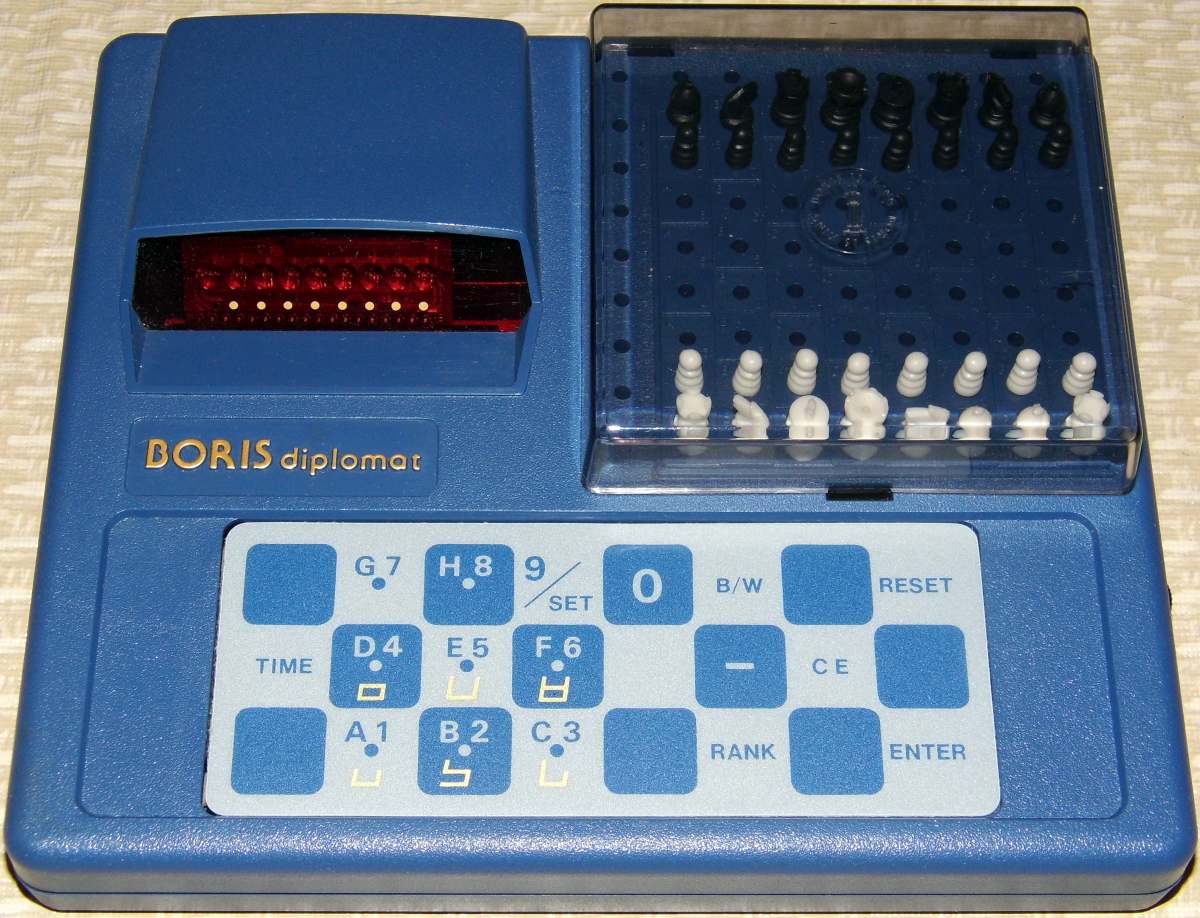
Today, chess programs and engines can play at a level far above that of the strongest human players. They are used for training, game analysis, and opening preparation. Nevertheless, chess played between humans has not lost its appeal. On the contrary, technology has made learning easier and has allowed a very large number of people to play the game.
The internet has also profoundly changed the chess world. Players can play opponents from any country, watch tournaments live, solve puzzles, and take lessons online. Rapid chess and blitz have become especially popular on digital platforms.
Today, chess is played by people of all ages, both recreationally and competitively. There are school tournaments, local, national, and international events, team competitions, and world championships. At the same time, millions of people play online or with friends every day.
The evolution of chess, from a game inspired by the organization of ancient armies to a global cultural and sporting phenomenon, shows its remarkable ability to adapt. Its fundamental rules have remained stable for centuries, but the way people study, play, and understand the game continues to develop.

The Game of Chess
Level up your chess knowledge. Rediscover the game.
Discover more from MultiMedia
Subscribe to get the latest posts sent to your email.




Leave a Reply