




The latest developments point to several interconnected transformations in the international art world.
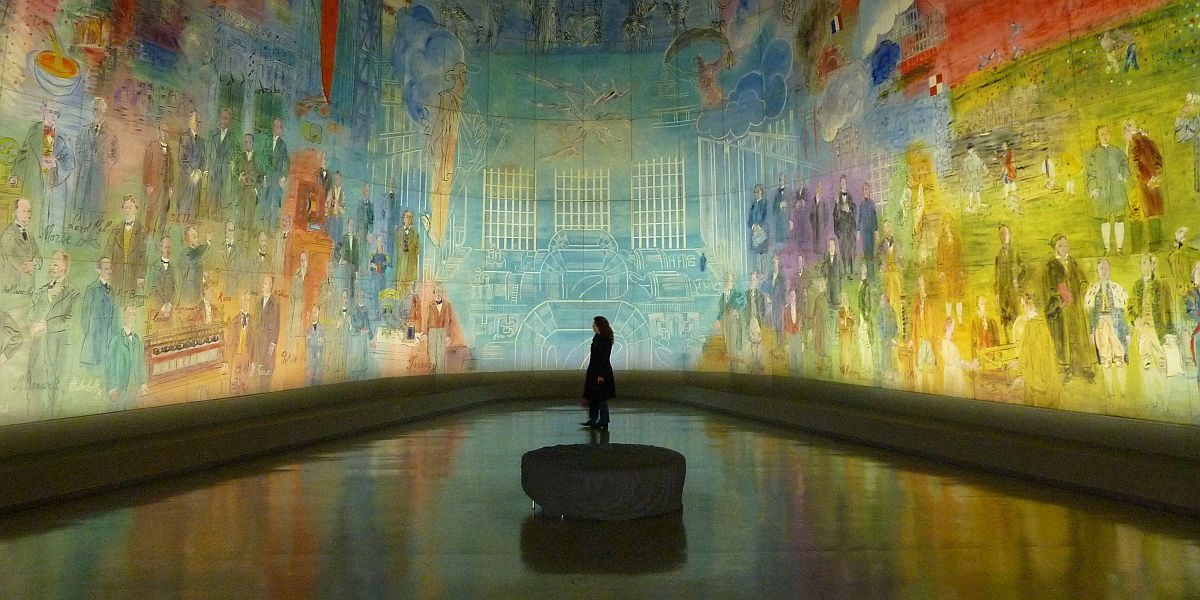
- Digital and immersive art: Projection mapping, interactive installations, and computer-generated imagery are expanding artistic experiences beyond conventional exhibition spaces. Technology increasingly becomes part of the artwork itself.
- Cultural heritage and museum accountability: Restitution, provenance research, physical security, and conservation are becoming prominent priorities as museums reassess their responsibilities and infrastructure.
- Internationalization of regional art scenes: Networks connecting museums, galleries, and collectors are creating opportunities beyond established cultural centres. Romania’s growing participation in European art networks illustrates this development.
- Interdisciplinary artistic practices: Art increasingly overlaps with fashion, architecture, philosophy, science, and digital media, challenging traditional distinctions between artistic disciplines.
- A more selective international art market: Major fairs continue attracting significant collectors and institutional buyers. However, successful headline sales do not necessarily indicate uniformly strong demand across all market segments.
The art world at the end of 2026 is characterized by a combination of technological experimentation and renewed attention to history. Museums are reconsidering their collections and institutional responsibilities, while artists are exploring new forms of expression across physical and digital environments. Romania is becoming more connected to international cultural networks, particularly through contemporary art initiatives and exhibitions. The central challenge for the coming years will be to balance innovation, artistic independence, cultural preservation, and public accessibility.
Romania
Romanian Art Week connects five cities to the European art scene
Romanian Art Week 2026 brought together galleries, museums, artists, collectors, and cultural professionals in Bucharest, Cluj-Napoca, Timișoara, Oradea, and Craiova. The nine-day initiative included exhibitions, studio visits, public discussions, and meetings designed to strengthen the international visibility of Romanian contemporary art. Major Bucharest institutions, including the National Museum of Art, the Museum of Recent Art, and the National Museum of Contemporary Art, participated alongside independent spaces. The event also joined The Spider, a European network linking art weeks and gallery initiatives in cities such as Berlin, London, Vienna, and Amsterdam. Its importance extends beyond individual exhibitions: it represents an attempt to build a coordinated cultural infrastructure capable of connecting Romanian artists with international curators, institutions, and collectors. The initiative reflects Romania’s ambition to become more visible within the European contemporary art market.
Brâncuși takes centre stage in Bucharest’s major autumn exhibition season
Art Safari New Museum launched its nineteenth exhibition season with a major presentation dedicated to Constantin Brâncuși and the women who influenced his artistic development. Curated by Doina Lemny, Brâncuși and His Muses brings together more than 200 works and documentary items, including approximately 100 attributed to the sculptor, alongside photographs, letters, films, and three sculptures. The programme also explores Pop Art through figures including Andy Warhol, Roy Lichtenstein, and Jean-Michel Basquiat. Other exhibitions examine war, peace, and the relationship between photography and cinema, including images created by filmmaker Cristian Mungiu. This combination of Romanian modernism and international artistic movements demonstrates the increasing importance of ambitious, multidisciplinary exhibition programmes in Romania.
A major private collection reveals the complexity of Romanian art under communism
The National Museum of Art of Romania is presenting approximately 200 works from the collection of Dr. Sorin Costina, one of the country’s most significant private collections of art from the 1970–1990 period. Curated by Erwin Kessler, the exhibition occupies two venues and brings together important artists including Horia Bernea, Ion Grigorescu, Paul Neagu, Ștefan Bertalan, and Florin Mitroi. Rather than presenting artistic life under communism as a uniform experience, the exhibition explores experimentation, spirituality, resistance, aestheticism, and personal expression under ideological constraints. Its dual structure distinguishes between artistic research and the complex visual strategies through which creators responded to political pressure. The exhibition contributes to an ongoing reassessment of late twentieth-century Romanian art and demonstrates the important role private collectors can play in preserving cultural histories that institutional narratives have sometimes overlooked.
Spotlight Festival transforms Bucharest into an open-air digital art gallery
The tenth edition of Spotlight – International Light Art Festival transformed central Bucharest through 19 immersive installations and video-mapping presentations. Organised by ARCUB under the theme Playground, the festival brought together artists and creative studios from seven countries. Six landmark buildings, including the Odeon Theatre and the National Museum of Art, became monumental projection surfaces, while interactive installations invited visitors to engage directly with light, movement, and digital environments. The festival extended along Calea Victoriei and into additional cultural and commercial spaces. Its artistic significance lies in the convergence of architecture, software, animation, installation art, and public participation. By offering free access, Spotlight also illustrated how technologically sophisticated artistic experiences can reach audiences beyond traditional museums and galleries. The event demonstrates the growing importance of public-space digital art within Romania’s cultural landscape.
International
Tokyo’s Mori Art Museum explores the future of art, technology, and spirituality
The Mori Art Museum has opened All That Shines, a major retrospective of Japanese contemporary artist Mariko Mori. Organized in collaboration with the Solomon R. Guggenheim Foundation, the exhibition presents approximately 40 works spanning more than three decades. Photography, video, sculpture, and interactive installations reveal Mori’s distinctive combination of technological experimentation, Buddhist philosophy, science, and futuristic visual culture. Her artistic practice investigates fundamental questions about consciousness, mortality, identity, and humanity’s relationship with the universe. Early works explore cyborg identities and popular culture, while later projects incorporate cosmology and spiritual traditions. The retrospective highlights a significant international trend: contemporary art increasingly treats technology not merely as a practical instrument but as a means of examining philosophical and existential questions.
Louvre warns that deteriorating infrastructure threatens its future
The Louvre Museum faces renewed concerns about security, infrastructure, and long-term sustainability. Director Christophe Leribault has warned that the institution could eventually be forced to close without extensive renovation. The warning follows the theft of French crown jewels in 2025, an incident that exposed weaknesses in museum security. Ageing plumbing, deteriorating galleries, and inadequate visitor facilities have added to the challenge. A security improvement programme is advancing, but museum officials argue that isolated measures cannot substitute for fundamental modernization. The situation also reflects a broader European problem: recent thefts in France, Italy, and Spain have revealed serious vulnerabilities in smaller museums. Cultural institutions must now balance conservation, public accessibility, security, and escalating operating costs. The Louvre’s difficulties demonstrate how protecting artistic heritage has become a major political and financial challenge.
Frieze London reports major sales and renewed international interest
The 2026 editions of Frieze London 2026 and Frieze Masters concluded on October 18 after five days of exhibitions, sales, and international networking. Organizers reported significant transactions, strong attendance from international collectors, and acquisitions by major British cultural institutions, including Tate and Arts Council collections. The fairs brought together established artists, historical masterpieces, and emerging contemporary practices, illustrating how commercial art events increasingly combine market activity with cultural discovery. London remains an influential international marketplace despite growing competition from Paris, Asia, and the Middle East. The results suggest continuing demand for high-quality works and carefully curated presentations, although individual gallery successes should not be interpreted as proof of a market-wide recovery. The fairs also demonstrated the continuing importance of physical exhibitions and professional relationships in an increasingly digital art economy.
New York re-examines Roy Lichtenstein and the origins of visual mass culture
The Whitney Museum of American Art has opened Roy Lichtenstein: Like New, a major retrospective reconsidering the artistic legacy of one of Pop Art’s defining figures. The exhibition brings together more than 130 works and investigates the transformation of comic-book imagery, advertising, mechanical reproduction, and visual conventions into modern painting. Rather than concentrating exclusively on Lichtenstein’s familiar comic-inspired compositions, the curators examine his preparatory drawings, artistic sources, and sustained interest in perception. A recreation of his influential 1962 exhibition provides historical context for his breakthrough. The retrospective has particular relevance in an era dominated by digital imagery and artificial intelligence. Questions about copying, originality, authorship, and the circulation of images have become central to contemporary artistic debates. Lichtenstein’s work offers a historical perspective on problems that digital culture has intensified.
Tate Britain explores the revolutionary relationship between art and fashion
Tate Britain is presenting The 90s: Art and Fashion, an exhibition examining how British creativity transformed during the 1990s. Curated by Edward Enninful and collaborators, the exhibition features more than 100 works by nearly 70 artists, photographers, and fashion designers. It brings together figures such as Damien Hirst, Tracey Emin, Alexander McQueen, and Vivienne Westwood. Photography, sculpture, clothing, and popular culture reveal how the boundaries between traditional fine art and commercial design became increasingly fluid. The exhibition revisits a period characterized by experimentation, social change, and challenges to established cultural hierarchies. Its relevance extends beyond historical nostalgia: collaborations between fashion houses, contemporary artists, filmmakers, and digital creators are now fundamental to the international cultural economy. The exhibition demonstrates how influential artistic movements often emerge through exchanges between disciplines rather than within isolated institutions.
The Metropolitan Museum returns ancient artefacts to Greece
The Metropolitan Museum of Art announced the return of three ancient objects to Greece following investigations into their ownership histories. The artefacts include a Hellenistic gold-and-garnet pendant, a Middle Helladic ceramic vessel, and a Roman marble portrait head. The decision followed provenance research conducted by the museum and information emerging from investigations by the Manhattan District Attorney’s Office. The objects had passed through art dealers whose activities attracted investigative scrutiny. Their restitution illustrates a continuing transformation in museum ethics, as institutions face increasing expectations to investigate the origins of their collections and address questionable historical acquisitions. The return also accompanies efforts to strengthen cultural cooperation between the museum and Greece. International museums are gradually moving toward a model emphasizing transparency, responsible acquisition, shared research, and partnerships with countries of origin.
Discover more from MultiMedia
Subscribe to get the latest posts sent to your email.




Leave a Reply