




As of 6:43 a.m. Bucharest time, 29 July 2026, the brief pause in direct fighting appears to have broken down.
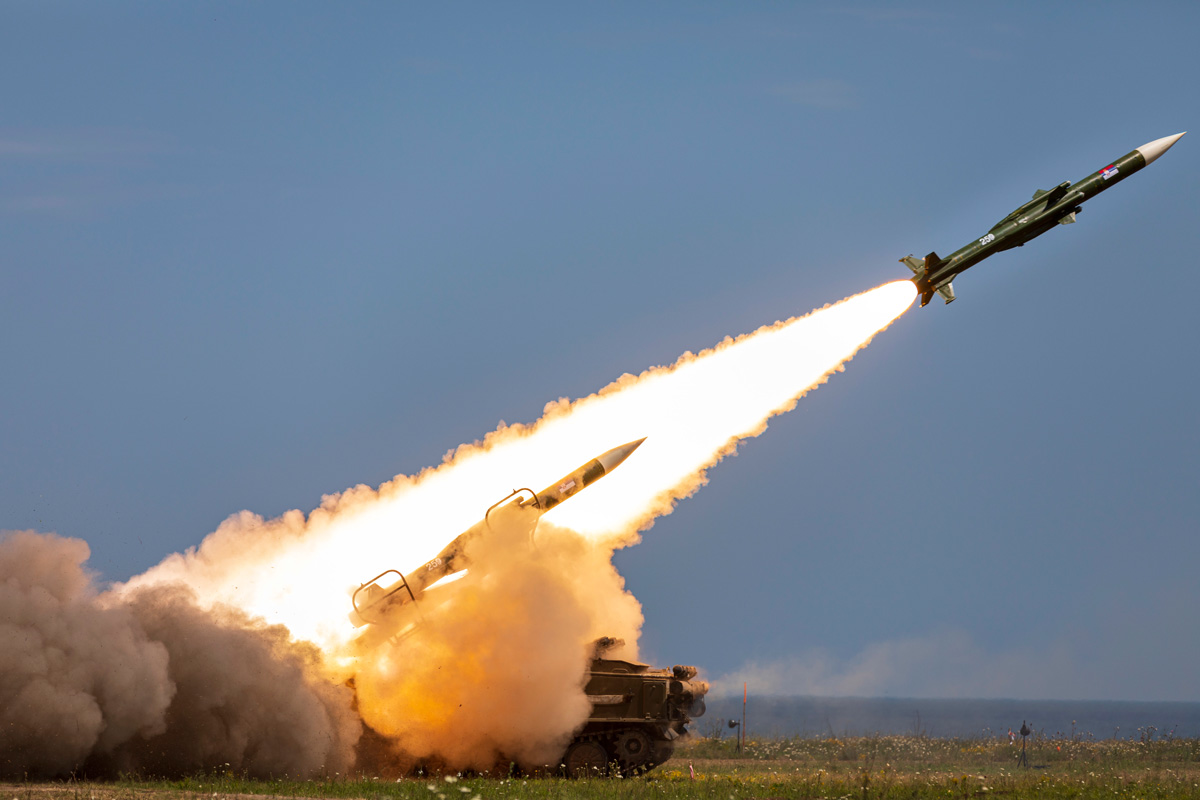
Iran launched ballistic missiles toward U.S. forces in Jordan. U.S. Central Command said several missiles were fired in an attempted surprise attack and were intercepted, with no successful strikes reported. Iran’s Revolutionary Guards acknowledged launching the missiles. (Reuters)
The United States and Saudi Arabia retaliated inside Iraq. Their aircraft attacked weapons, logistics and command sites belonging to Iran-aligned militias in eastern Iraq. Washington and Riyadh said the groups had conducted more than 30 drone attacks and had recently targeted Saudi oil facilities. Iraq’s Popular Mobilisation Forces reported deaths, injuries and damage, while the Iraqi authorities warned that the strikes could dangerously expand the conflict.
The confrontation in the Strait of Hormuz is worsening. Iran’s Revolutionary Guards claimed that they struck or stopped three oil tankers for following what Tehran called an unsafe and illegal route. Reuters could not independently verify this account. Iran says it retains control of the waterway, while the United States maintains that Hormuz is an international strait that must remain open without Iranian restrictions.
Oil prices have jumped again. Crude rose by more than $3 a barrel after the latest missile and air attacks, reflecting fears that fighting could disrupt Gulf oil exports and maritime traffic. Before the war, roughly one-fifth of global oil and liquefied-natural-gas shipments passed through the Strait of Hormuz.
Diplomacy has not completely collapsed. Oman has proposed joint regional management of the Strait of Hormuz, rather than exclusive Iranian control, while Qatar and Pakistan have been mediating between Washington and Tehran. However, the latest exchange of attacks has greatly weakened the pause that began after 13 consecutive nights of U.S. bombing.
Domestic U.S. support for the war remains low. A Reuters/Ipsos survey found that only about one-third of Americans support the conflict, while 69% believe President Trump has not clearly explained the objectives of U.S. military involvement. Reuters reported that 18 U.S. service members had died during the conflict by 27 July.
Overall assessment
The immediate danger is that retaliation is shifting from direct U.S.–Iran exchanges into Iraq, Saudi Arabia, Jordan, Yemen and the Gulf shipping lanes. The most important indicators during the next few hours will be whether Washington resumes direct strikes on Iranian territory, whether Iran attacks another American base, and whether commercial vessels can continue moving through Hormuz.
Discover more from MultiMedia
Subscribe to get the latest posts sent to your email.





Drupal comments, categories, vocabulary, taxonomy, tags
Comments Comments are classic elements of a CMS community and have been popularized by blogging....