Philosophy in the 17th century – The conception of human nature: authority and absolutism (2)

One of the most characteristic productions of the century is De jure belli et pacis (1625) by Hugo Grotius (1583-1645), the author of the doctrine of the law of nature, which claims to find universal rules and obligatory for all … Read More

John Stuart Mill

posted in: Philosophy 0

The poet and the analyst, the seer and the man of reflection, after Coleridge and Carlyle, these two types emerged in English thought with extremely marked features and in irreconcilable opposition. James Mill tried to transmit to his son, John … Read More

Identity and Artificial Intelligence in The Adventures of Pinocchio

Identity Pinocchio is, above all, what he is not. His identity is often played to the limit, imagined by himself and everyone he meets along the way. Pinocchio is the name of life that is simultaneously inorganic, human and animal. … Read More

Drobeta Turnu Severin Heavy Water Plant: Functioning and Shutting Down

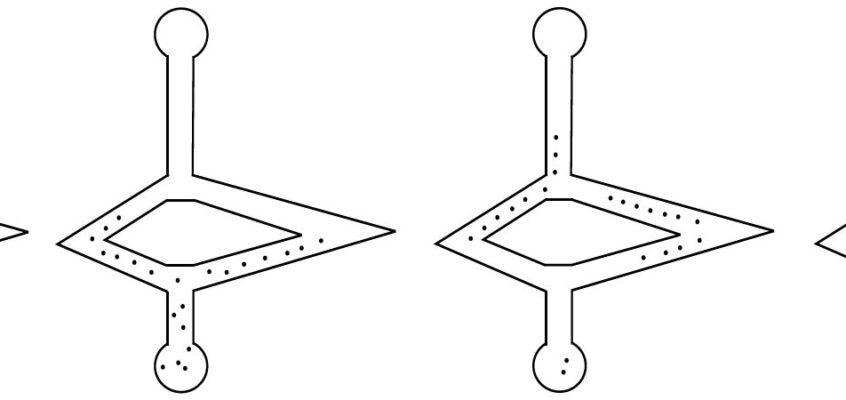
Functioning Figure 3. Isotope exchange plant with water distillation. Source: Magazine, no. 7/2008. Translation and editing Nicolae Sfetcu With the help of the previously prepared sodium sulfide, it was proceeded to the preparation of hydrogen sulfide used in the isotopic … Read More

The philosophy of the 19th century: Systems period (1800-1850) (2)

Generally speaking, removing from previous doctrines everything which gives them their apocalyptic and visionary character, you obtain new doctrines which have a skeptical and discouraged aspect, or which, conversely, expect a lot from human forces and very little from natural … Read More

History of science

posted in: Science 0

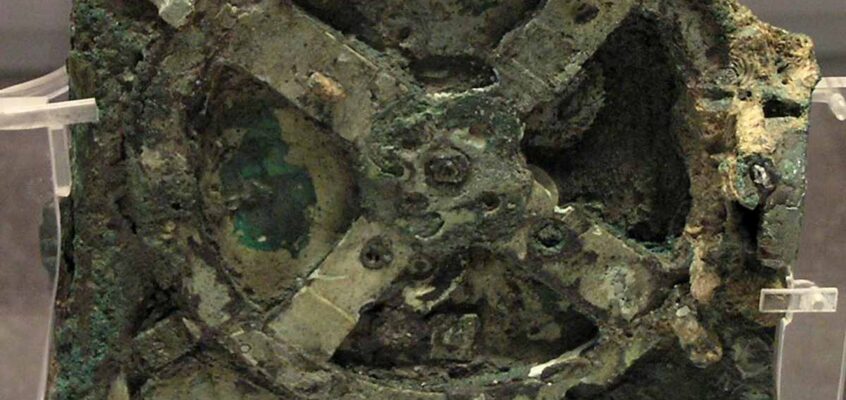
(The Anticitera mechanism, an analog computer built in Antigua to predict astronomical positions and eclipses. Algunas de las ciencias de las primeras civilizaciones fueron la astronomy y las mathematics) The history of science is the study of the evolution of … Read More

1 … 26 27 28 29 30 31 32 … 384