




Good Friday is one of the most solemn and meaningful days in the Christian calendar. Observed during Holy Week, it commemorates the crucifixion of Jesus Christ and his death at Calvary. Although its name may seem surprising for a day marked by suffering and grief, Christians call it “Good” because they believe it led to the resurrection of Jesus and the promise of salvation.
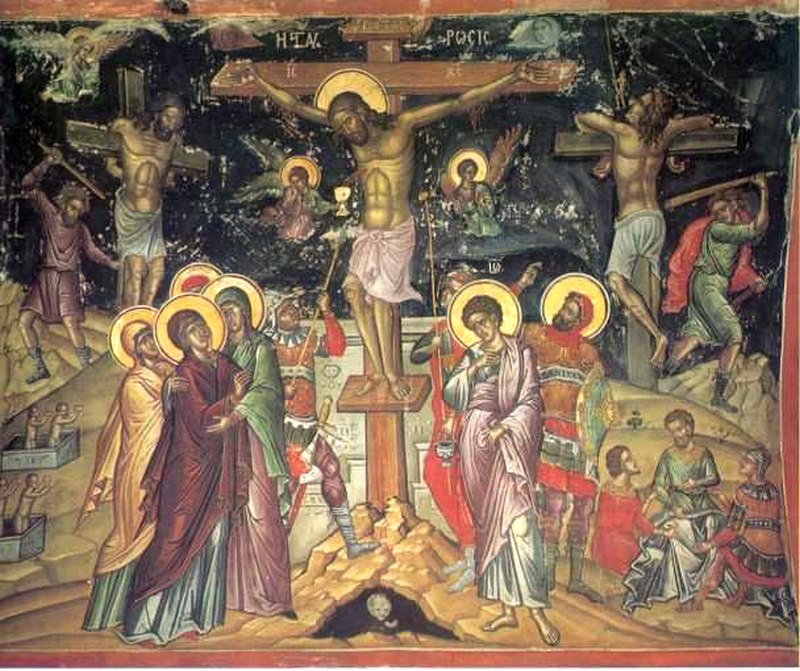
Icon of the Crucifixion, 16th century, by Theophanes the Cretan (Stavronikita Monastery, Mount Athos)
For believers around the world, Good Friday is a day of deep reflection. Church services are often quiet and serious, with prayers, scripture readings, and hymns that focus on the final hours of Jesus’ life. Many Christians fast, attend worship services, or spend time in personal prayer. In some places, communities hold processions or reenactments of the crucifixion to remember the sacrifice Jesus made.
The meaning of Good Friday goes beyond historical remembrance. It represents love, sacrifice, forgiveness, and redemption. According to Christian teaching, Jesus willingly suffered and died for the sins of humanity. His crucifixion is seen as the ultimate act of selfless love, showing compassion even in pain. This message continues to inspire people to practice kindness, humility, and faith in their daily lives.
Good Friday also invites people to think about suffering in a broader sense. It reminds believers that pain and loss are part of the human experience, but they are not the end of the story. The sadness of Good Friday is closely connected to the joy of Easter Sunday, when Christians celebrate the resurrection of Jesus. In this way, the day carries a powerful message: hope can rise even from the darkest moments.
In many cultures, Good Friday is observed not only in churches but also in homes and communities. Families may gather for quiet meals, avoid celebrations, and focus on spiritual activities. The atmosphere is usually one of respect and stillness. These traditions help preserve the significance of the day and pass its meaning from one generation to the next.
In conclusion, Good Friday is a sacred day that holds great importance for Christians worldwide. It is a time to remember sacrifice, reflect on faith, and prepare for the hope of Easter. Though marked by sorrow, Good Friday ultimately points to love and renewal, making it one of the most powerful observances in the Christian faith.

Easter Celebration
Dive into the Rich Traditions and History of Easter. Explore the Essence of Easter.

Easter Traditions
Dive into the fascinating world of Easter with a beautifully curated guide.
Discover more from MultiMedia
Subscribe to get the latest posts sent to your email.


Leave a Reply