




Cartesian mechanism
 (Mechanism of vision after a drawing by René Descartes. For Descartes, without the proof of the existence of God, we would have no guarantee of the reality of what we perceive confusedly by our senses.)
The mechanism defended and developed by Descartes is a scientific realism which is therefore opposed to “naive realism”. Like Galileo, Descartes considers that nature is explained solely by matter and movement. Descartes is realistic for his physics and anti-realistic about the sensory characteristics of objects: the senses tell us about the existence of things, but in no way about their nature. Sensory qualities such as colors, sounds, smells, etc. do not exist in the world; they exist only in the minds of men, as they are affected by their senses.
Cartesian mechanism is science-like realism because matter (‘extent’) and motion are postulated by science. This scientific realism is both metaphysical – matter in motion constitutes a reality independent of our mind – and epistemological: we can know this reality by understanding or reason.
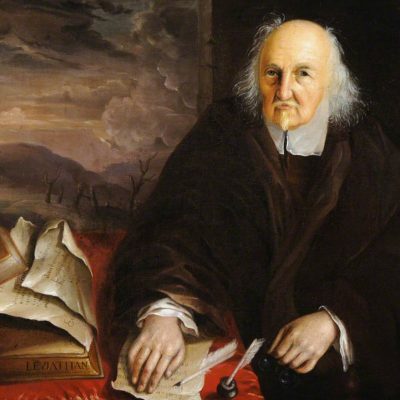
The mechanism is also defended in the 17th century by many philosophers, such as Francis Bacon, Thomas Hobbes, Pierre Gassendi.
Locke: primary and secondary qualities
In his An Essay Concerning Human Understanding (Book II) Locke distinguishes between “primary qualities” and “secondary qualities”. The primary qualities are perceived by the different senses, unlike the secondary qualities which depend on a single type of sensory perception. The ideas associated with the primary qualities of ‘figure’, ‘size’ and ‘movement’ resemble the objects which cause them in the mind, unlike the secondary qualities which have no equivalent in nature.
(Includes texts from Wikipedia translated and adapted by Nicolae Sfetcu)

Evolution and Ethics of Eugenics
Discover the Fascinating Intersection of Science, Ethics, and Humanity.

Plato, The Republic: On Justice – Dialectics and Education
Step into the world of Plato’s Republic, a journey that’s not just about reading but awakening your mind.

Epistemology of experimental gravity – Scientific rationality
Explore the depths of gravitational theory and its evolution, framed through the groundbreaking methodology of Imre Lakatos.
Discover more from MultiMedia
Subscribe to get the latest posts sent to your email.




Leave a Reply