




President Donald Trump called on Senate Republicans to eliminate the chamber’s 60-vote filibuster threshold, pressing for the so-called “nuclear option” to push through a funding bill and end a government shutdown now in its 30th day. The president argued that the rule is allowing Democrats to block legislation despite Republicans holding a narrow majority.
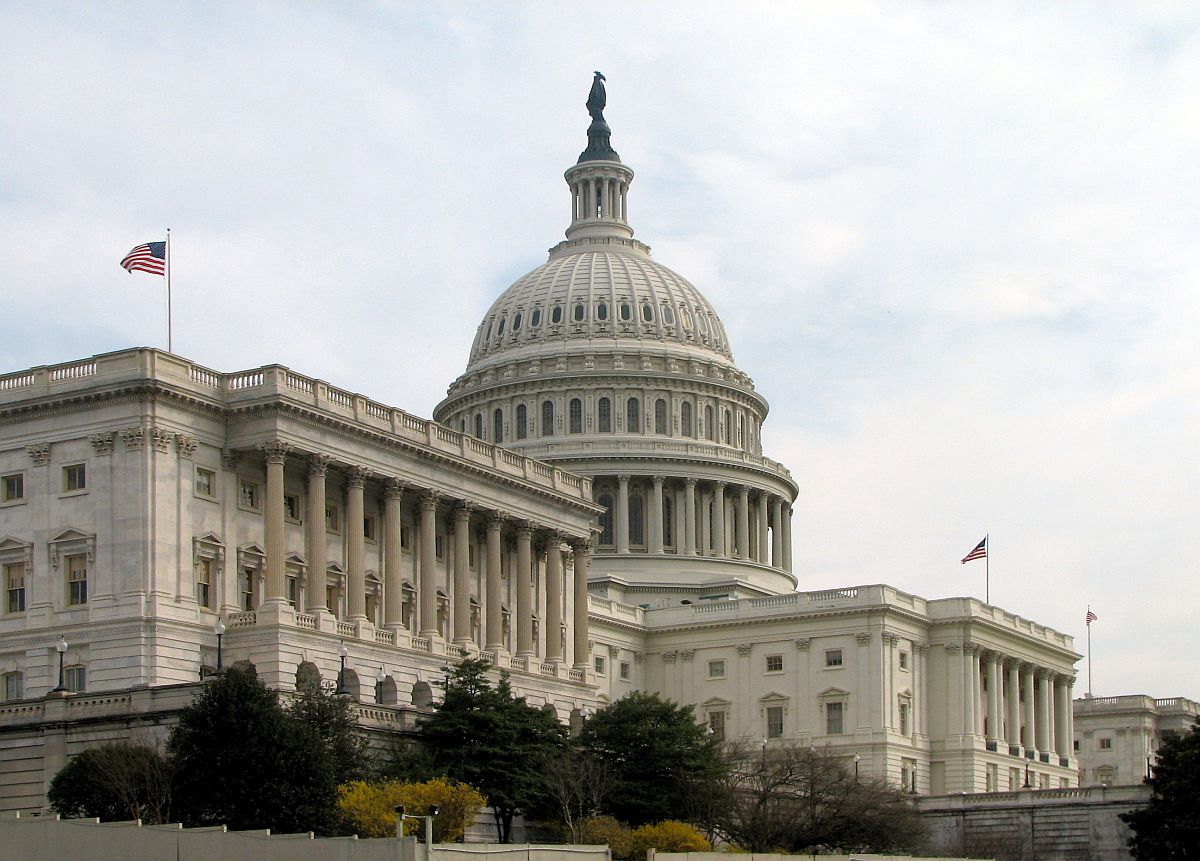
The Senate side of the United States Capitol in Washington, D.C.
The Senate filibuster requires 60 votes to advance most bills. Republicans control 53 seats this Congress, leaving them seven votes short of breaking a Democratic blockade without rule changes. Trump’s demand came after weeks of stalled talks, with the White House and GOP leaders seeking a short-term funding measure while Democrats press to negotiate broader health-care provisions alongside spending.
In posts and public remarks Thursday and Friday, Trump urged Republicans to “go nuclear,” a phrase commonly used to describe changing Senate rules by a simple majority. The plea underscores rising GOP frustration as the shutdown strains federal services and households nationwide. Some Republicans have signaled openness to dramatic steps, but party leadership has historically resisted scrapping the filibuster, warning it could boomerang when control of the chamber flips.
The economic stakes are mounting. The Congressional Budget Office has warned the shutdown could shave as much as 2% off fourth-quarter GDP, with estimated losses between $7 billion and $14 billion if it persists. Hundreds of thousands of federal employees have missed paychecks, although critical defense and law-enforcement functions remain funded.
It’s not clear whether GOP leaders will take up Trump’s request. The Senate adjourned Thursday and is not scheduled to reconvene until Monday, even as cross-party maneuvers to pass targeted pay bills were blocked on the floor. Past statements from senior Republicans have emphasized retaining the filibuster to protect minority rights and encourage compromise.
Eliminating the filibuster for legislation would mark the most consequential rules change in decades. While both parties have already narrowed its scope for nominations—Democrats in 2013 for most executive and judicial picks and Republicans in 2017 for Supreme Court nominees—ending it for bills would permanently reshape how the Senate functions and how presidents pursue their agendas.
Discover more from MultiMedia
Subscribe to get the latest posts sent to your email.







UIGEA – End of comments
On Regulations.gov, December 12 was the last day allowed for public comments on the Docket...