




The road to the 2026 FIFA World Cup became clearer on Friday as the final draw ceremony in Washington, D.C. mapped out the paths for the 48 qualified nations in what will be the largest World Cup ever staged. The event took place at the John F. Kennedy Center for the Performing Arts, with the draw scheduled to begin at 12:00 p.m. Eastern Time. (FIFA)
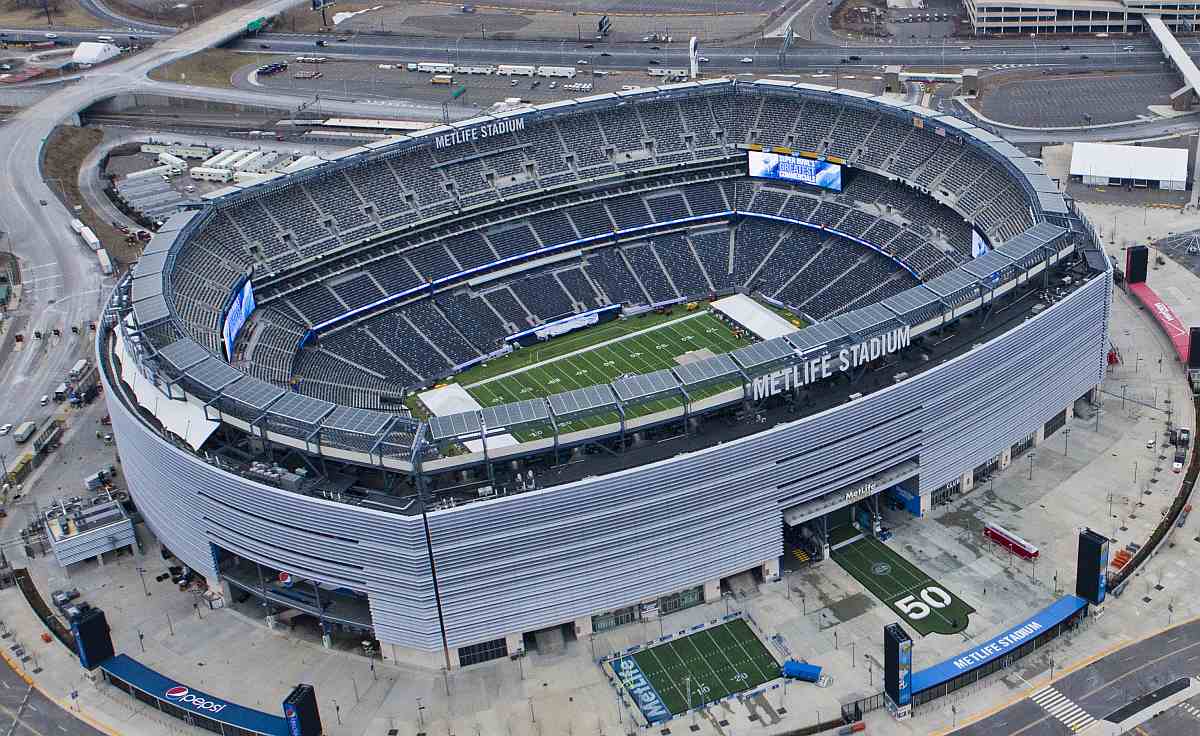
The host of the final match—MetLife Stadium in East Rutherford, New Jersey
Set across three host nations – the United States, Canada and Mexico – the 2026 edition will feature 48 teams split into 12 groups of four, replacing the 32-team format used since 1998. From the group stage, 32 teams will advance to the knockout rounds, with the tournament running from 11 June to 19 July 2026 and the final set for MetLife Stadium, branded “New York New Jersey Stadium” for the competition.
Top seeds and draw pots
FIFA confirmed four seeding pots of 12 teams each, based primarily on the November 2025 FIFA Men’s World Ranking. Pot 1 contained the three host nations – Canada, Mexico and the United States – alongside traditional heavyweights Spain, Argentina, France, England, Brazil, Portugal, the Netherlands, Belgium and Germany. Pots 2, 3 and 4 were filled according to ranking, with the remaining places in Pot 4 reserved for UEFA play-off winners and the inter-confederation play-off winners to be decided in early 2026.
Under FIFA’s usual confederation rules, teams from the same region cannot be drawn into the same group, with the exception of Europe, where each group can contain one or two UEFA nations. That restriction is designed to spread the strongest continents across the competition and ensure a broader mix of styles and match-ups in the group stage.
As the ceremony began, the hosts were placed into their groups as seeded nations: Mexico into Group A, Canada into Group B and the United States into Group D, reflecting their status both as organizers and as key commercial and sporting pillars of the tournament.
A political and showbiz-heavy ceremony
The draw was as much a global television spectacle as a sporting procedure. FIFA president Gianni Infantino presided over proceedings, joined on stage by political leaders from the three host countries and a cast of celebrities and former players to assist with the draw.
In a headline-grabbing moment before the balls were fully drawn, FIFA awarded its inaugural “Peace Prize” to U.S. President Donald Trump, who delivered a keynote address at the Kennedy Center. The ceremony also featured appearances from Canadian and Mexican leaders, framing the tournament as a continental project as much as a sporting one.
The entertainment segment matched the scale of the event, with high-profile musical performances and a heavily produced show introducing the host cities and stadiums spread across North America.
New format, new storylines
The expanded format means more countries than ever are involved, and the draw instantly shaped several of the tournament’s key storylines:
- how defending champions and former winners will navigate a denser group phase;
- whether rising nations from Africa and Asia can capitalize on the extra qualification slots;
- and how travel and logistics across three vast host countries might influence team performance over the month-long event.
FIFA is expected to confirm the full match schedule following the draw, assigning dates and venues to every group-stage and knockout fixture. Fans will then be able to plan trips to the 16 host cities, from Mexico City and Monterrey to Vancouver, Los Angeles, Dallas, Miami, New York–New Jersey and beyond.
The official ball: Trionda
Alongside the draw, FIFA and Adidas showcased Trionda, the official match ball for 2026. The name blends “tri” for the three host countries with “onda,” meaning “vibe” in Spanish and Portuguese. The ball uses just four thermally bonded panels – the lowest panel count ever for a World Cup ball – and includes an embedded motion sensor to support VAR and semi-automated offside technology.
With the draw completed and groups set, attention now turns from the marble halls of Washington to the pitches of North America, where 48 nations will chase football’s biggest prize next summer.
Discover more from MultiMedia
Subscribe to get the latest posts sent to your email.






Leave a Reply