




Reports that Nvidia is “buying” AI chip start-up Groq are being walked back after both companies outlined a structure that stops short of a full takeover: Nvidia has secured a non-exclusive license to Groq’s inference technology and is hiring Groq’s top leadership and key engineers, while Groq says it will continue operating as an independent company.
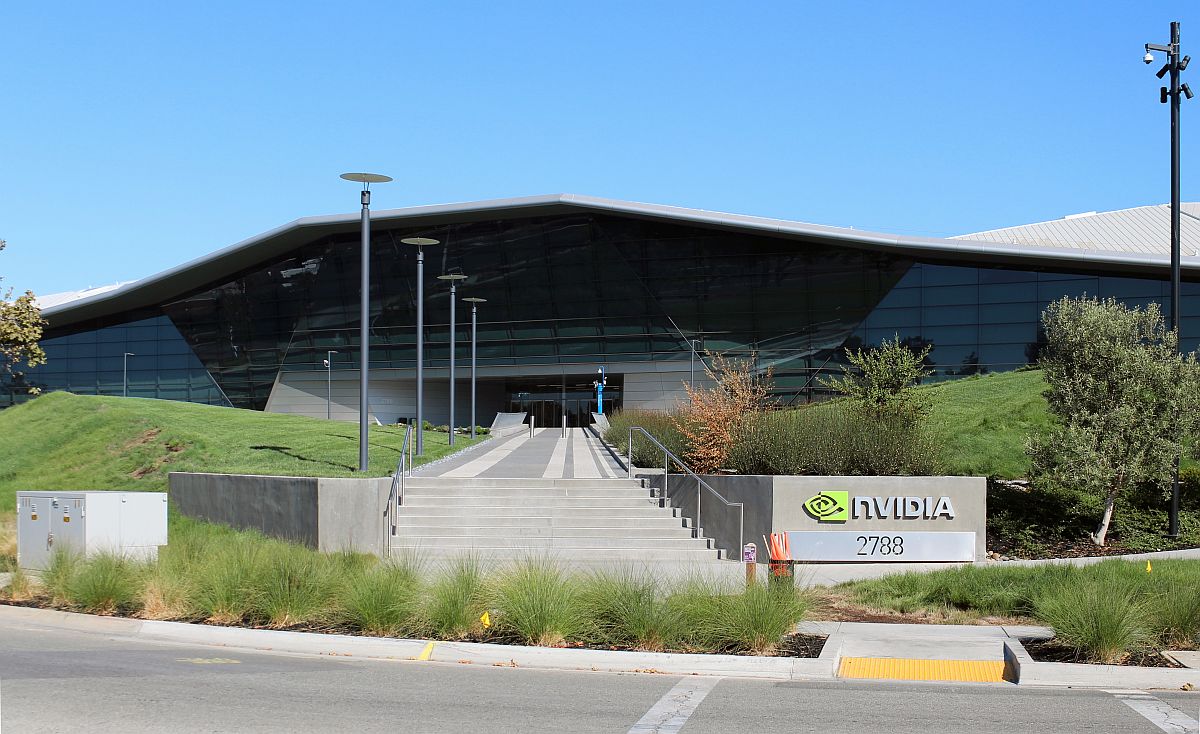
The confusion followed a wave of headlines referencing a CNBC figure suggesting an approximately $20 billion price tag tied to the transaction. Multiple outlets reported that Nvidia would acquire Groq or its assets, but subsequent coverage — and Groq’s own announcement — framed the arrangement as a licensing-and-hiring deal rather than an outright acquisition.
Under the agreement, Nvidia gains rights to incorporate Groq’s inference chip technology into its roadmap. The license is non-exclusive, meaning Groq can still license the same technology to others.
Nvidia is also bringing in Groq founder Jonathan Ross and Groq president Sunny Madra, along with other members of Groq’s team. Groq said the incoming group will help Nvidia “advance and scale” the licensed technology.
Groq says it will remain independent and continue its operations, including its cloud business. The company also announced Simon Edwards as CEO following the leadership departures.
Groq has positioned itself as a specialist in low-latency AI inference — the fast, real-time “answering” side of AI (think chat responses and on-the-fly generation), as distinct from training. That area is increasingly viewed as the next major scaling challenge as AI usage spreads beyond model development into day-to-day deployment.
For Nvidia, the move looks like an attempt to absorb a credible architectural alternative without triggering the scrutiny that often comes with a straightforward acquisition of a chip competitor. Industry observers have noted a broader trend of Big Tech using licensing deals plus executive hires as a way to secure technology and talent while potentially reducing antitrust exposure.
Neither company disclosed financial terms, but reporting tied to the deal has repeatedly referenced a ~$20 billion figure. Reuters noted the CNBC estimate while emphasizing the structure described publicly is a licensing arrangement and a transfer of senior talent, not a full company buyout.
Investors and competitors will be looking for clarity on three points:
- Product integration: whether Nvidia will ship offerings that directly embed Groq-derived inference techniques — and how quickly.
- Groq’s roadmap: how Groq competes after losing its founder and president, and whether it continues licensing broadly to other partners.
- Regulatory reaction: whether regulators treat the arrangement like an “acquisition in all but name,” given the combination of licensing plus leadership migration.
Discover more from MultiMedia
Subscribe to get the latest posts sent to your email.





Leave a Reply