




U.S. Immigration and Customs Enforcement (ICE) sits at the center of America’s most enduring political argument: who gets to enter and remain in the country—and how forcefully the government should enforce the rules. Since early 2025, that debate has also been closely tied to Kristi Noem, the former South Dakota governor who became Secretary of the Department of Homeland Security (DHS) after the Senate confirmed her nomination 59–34. (senate.gov)
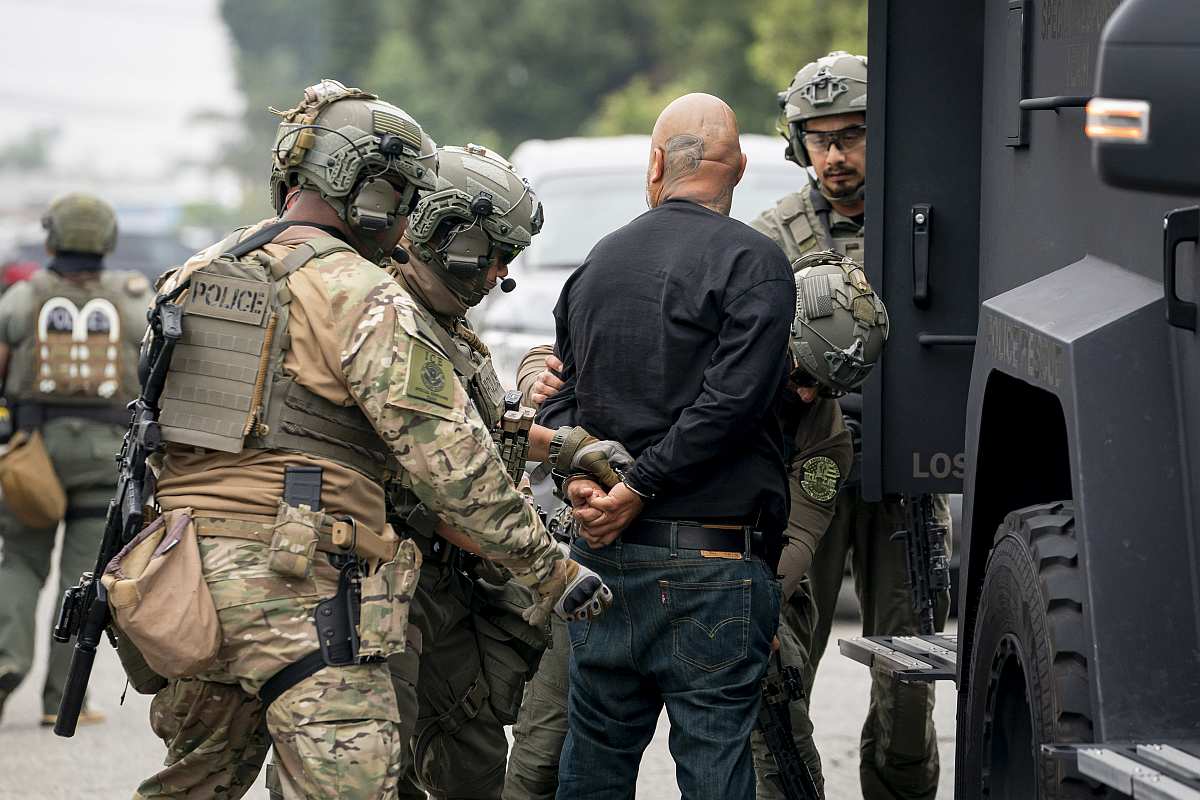
Because ICE is a DHS agency, the Secretary’s priorities—and the public’s scrutiny—can shape the agency’s day-to-day posture, from enforcement tactics to messaging. Recent high-profile operations and legal challenges have pushed the relationship between ICE and Noem into the national spotlight.
What ICE is—and why it exists
ICE was formed in the early post-9/11 restructuring of the federal government. It began operations in 2003, drawing together investigative and interior-enforcement functions that had previously lived in other agencies.
In plain terms, ICE is responsible for two big buckets of work:
- Immigration enforcement inside the United States (arrests, detention, removals)
- Criminal investigations tied to cross-border activity (smuggling networks, trafficking, financial crimes, illicit trade)
ICE itself describes its authorities as spanning hundreds of federal laws, and DHS summarizes its mission as “smart” enforcement paired with “humane detention” and counterterrorism/public-safety goals. (DHS)
ICE’s two “halves”: ERO and HSI
A key fact that often gets lost in public debate is that ICE is not one monolithic unit. It has two primary operational arms:
Enforcement and Removal Operations (ERO)
ERO manages the immigration-enforcement process in the U.S.—including identifying, arresting, detaining, and removing people who are deemed removable under immigration law. (ICE)
Homeland Security Investigations (HSI)
HSI is ICE’s criminal investigative directorate. ICE describes HSI as investigating the illegal movement of people, goods, money, contraband, weapons, and sensitive technology.
A Congressional Research Service (CRS) overview adds that HSI was built to pursue criminals and terrorists who violate customs and immigration laws worldwide, and it details a broad portfolio that can include transnational criminal organizations, visa-security work, and other cross-border threats. (Congress)
That distinction matters because “ICE” can mean very different things in practice: an ERO arrest team conducting an interior enforcement action, or an HSI investigative squad working a long-running trafficking or financial case.
One recent example of the confusion: reporting about an ICE presence connected to Winter Olympics security in Italy triggered controversy abroad—then officials emphasized that the deployment involved HSI support work, not immigration enforcement. (
Oversight and accountability mechanisms
ICE has internal and legal structures meant to constrain and review its actions:
- Office of Professional Responsibility (OPR) investigates allegations of employee misconduct and other integrity matters, according to ICE.
- Office of the Principal Legal Advisor (OPLA) provides legal advice to ICE personnel on their authorities and related legal regimes, per ICE’s own descriptions.
- Federal courts also play a central oversight role, especially in detention and due-process questions—an area that has produced new conflict in 2026.
Kristi Noem’s path into the ICE debate
Before leading DHS, Noem spent years building a national profile as a conservative governor, including a strong emphasis on border security. In a 2024 South Dakota release announcing another National Guard deployment to the southern border, Noem characterized the border in stark terms and framed the deployment around wall construction and stopping illicit flows.
After her confirmation as DHS Secretary in January 2025, she moved quickly to publicly align herself with immigration enforcement operations. ABC News reported that she rode along on an ICE enforcement operation in New York City days after being sworn in.
As DHS Secretary, Noem doesn’t “run” ICE in a tactical, on-the-ground sense—but she does set department-wide priorities, shapes public messaging, and ultimately owns the political consequences of how immigration enforcement is carried out.
A recent flashpoint: Minnesota operations, courts, and Congress
In January 2026, ICE operations and DHS leadership became the focus of intense political and legal blowback.
- House Democratic leaders threatened impeachment proceedings unless Noem was removed, following Reuters reporting about two fatal shootings of U.S. citizens by federal immigration agents and the broader controversy around enforcement actions.
- The Washington Post reported Democrats were planning an investigation that could build toward impeachment, driven by the same cluster of incidents and accountability claims.
- The Associated Press reported that a federal judge in Minnesota ordered acting ICE Director Todd Lyons to appear in court or risk contempt over alleged failures to provide bond hearings for detainees, describing the situation as extraordinary.
- Separately, reporting described legal challenges that frame some DHS/ICE activity as unconstitutional or overreaching, including claims tied to federalism and the scope of federal power.
It’s unusual for an operational law-enforcement agency’s internal decisions and field actions to produce simultaneous pressure from courts, Congress, and street-level protest—but that convergence is exactly what makes the current moment a defining test for both ICE’s approach and Noem’s leadership.
The warrant debate: administrative paperwork vs. judicial authority
One of the most consequential policy disputes is about entry into homes during civil immigration enforcement.
A Senate Homeland Security and Governmental Affairs Committee letter (with a whistleblower disclosure attached) describes a May 12, 2025 memo that, according to the letter, authorized ICE officers to rely on a Form I-205 (a “Warrant of Removal/Deportation” signed administratively) to arrest someone at their residence—raising Fourth Amendment concerns because it is not a judge-signed warrant.
Supporters of tougher enforcement often argue that ICE needs practical tools to execute final orders of removal efficiently. Critics argue that expanding home-entry authority without judicial warrants risks unconstitutional searches, mistaken raids, and harm to citizens and noncitizens alike—an argument now being sharpened through litigation and oversight demands.
Why ICE remains politically polarizing
ICE’s defenders typically emphasize:
- public-safety and national-security goals,
- enforcing final removal orders,
- and targeting transnational criminal networks (especially through HSI).
ICE’s critics focus on:
- detention conditions and scale,
- due-process protections in custody,
- and the risk of aggressive tactics producing errors, trauma, or civil-rights violations.
Because Noem is both the department’s public face and a politically prominent figure in her own right, disputes that might once have stayed inside bureaucratic channels are now more likely to become nationally branded political battles.
What to watch next
If you’re tracking “ICE + Kristi Noem” as a story, the next big signals are:
- Court rulings on detention, bond hearings, and home-entry authority (these shape what ICE can do in practice).
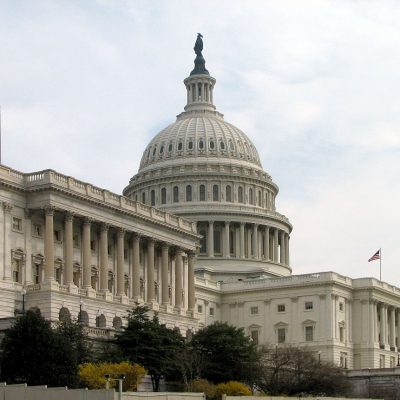
- Congressional oversight—including subpoenas, hearings, and potential impeachment-related moves.
- Operational shifts—whether DHS emphasizes ERO removals, HSI investigations, or both, and how visibly those efforts are conducted.
ICE has always been a lightning rod. Under Noem, it has also become an unusually direct measure of how the federal government balances enforcement intensity with constitutional constraints—and how quickly mistakes, disputes, or tragedy can escalate into a national reckoning.
Discover more from MultiMedia
Subscribe to get the latest posts sent to your email.




Leave a Reply