




Poaching is the gentlest way to cook an egg: a tender white that hugs a warm, runny yolk like a soft blanket. It looks fancy, but once you know the few details that matter, it’s one of the easiest “restaurant” tricks to pull off at home.
Here’s how to do it reliably—plus fixes for the common disasters (wispy whites, broken yolks, and egg confetti).
What you need
Tools
- A small saucepan or deep skillet
- A slotted spoon
- A small bowl or ramekin (for sliding the egg in)
Ingredients
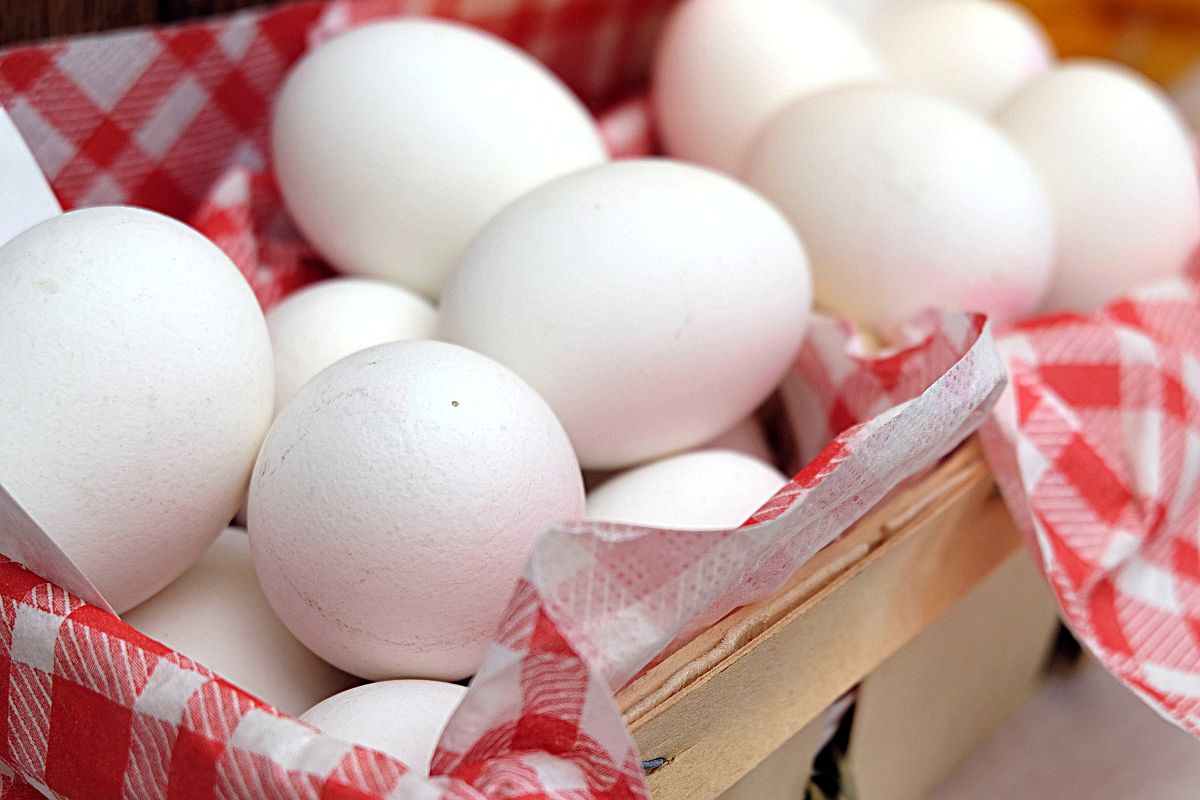
- Fresh eggs (fresh helps the white hold together)
- Water
- Salt (for finishing; salting the water is optional)
- Optional: a splash of vinegar (helps whites set faster)
The foolproof stovetop method
Heat the water properly
Fill a pan with 5–8 cm (2–3 inches) of water.
Bring it to a point where you see gentle bubbles—not a rolling boil.
What you want: a bare simmer, around 80–90°C / 175–195°F.
If the water is boiling hard, it’ll throw the egg around and shred the white.
Add a little vinegar (optional, but helpful)
Add 1–2 teaspoons of white vinegar per liter/quart of water.
- Vinegar helps the proteins in the egg white set quickly.
- You won’t taste it much if you keep it modest.
- If you hate vinegar, skip it—fresh eggs will still work.
Crack into a bowl first
Crack the egg into a small bowl or ramekin.
This gives you:
- A gentler entry into the water (less yolk breakage)
- A chance to fish out shell bits
- Better shape
Create a gentle swirl (optional)
Stir the water in a circle to make a slow whirlpool, then stop stirring.
The current helps the white wrap around the yolk, especially helpful if your egg isn’t super fresh.
Slide the egg in
Lower the bowl close to the water surface and slide the egg in smoothly.
Cook for the texture you want
- 3 minutes: very runny yolk, tender white
- 3½–4 minutes: jammy yolk
- 4½–5 minutes: mostly set yolk
Don’t poke it with a fork. Instead, lift it briefly with a slotted spoon and gently press the white—it should feel set, not jelly-like.
Lift, drain, season
Use a slotted spoon to remove the egg.
Let it drain for a few seconds, then season with salt and pepper.
If there are wispy bits, you can trim them with kitchen scissors for a clean look.
The #1 secret: freshness
Fresher eggs = tighter whites.
Older eggs have thinner whites that spread out and create “tails.”
Quick freshness tip:
If your eggs are older, crack them into a fine mesh strainer for a few seconds—this drains off the watery part of the white, leaving the thicker white to poach neatly.
Common problems (and how to fix them)
“My egg turned into floating strands.”
- Water was boiling too hard → lower to a bare simmer
- Egg wasn’t fresh → use vinegar and/or strain the egg
“The yolk broke.”
- Dropped from too high → slide in from a bowl close to the surface
- Water was too turbulent → less swirl, gentler simmer
“The white is set but the yolk is cold.”
- Egg started too cold → let egg sit at room temp for 5–10 minutes (optional)
- Water was too cool → aim for steady steaming with tiny bubbles
“It tastes watery or bland.”
- Salt the egg after, not necessarily the water
- Finish with flaky salt, pepper, chili crisp, or a little butter
Poach ahead (meal-prep friendly)
Yes—you can poach eggs in advance.
- Poach as usual, but stop 30 seconds early.
- Transfer to an ice-water bath to cool quickly.
- Store in the fridge in a container of cold water (up to 2 days is common).
To reheat:
Slip into hot (not boiling) water for 30–60 seconds.
Serving ideas
- On toast with avocado, tomato, or smoked salmon
- Over asparagus or sautéed greens
- On oatmeal or rice with soy sauce + sesame oil (surprisingly great)
- Eggs Benedict vibes: English muffin + ham + hollandaise
Discover more from MultiMedia
Subscribe to get the latest posts sent to your email.





Leave a Reply