




Short answer:
- A common (365-day) year has 52 weeks and 1 day → ≈ 52.1429 weeks.
- A leap (366-day) year has 52 weeks and 2 days → ≈ 52.2857 weeks.
That’s because 52 weeks = 364 days, leaving 1 extra day in most years (or 2 in leap years).
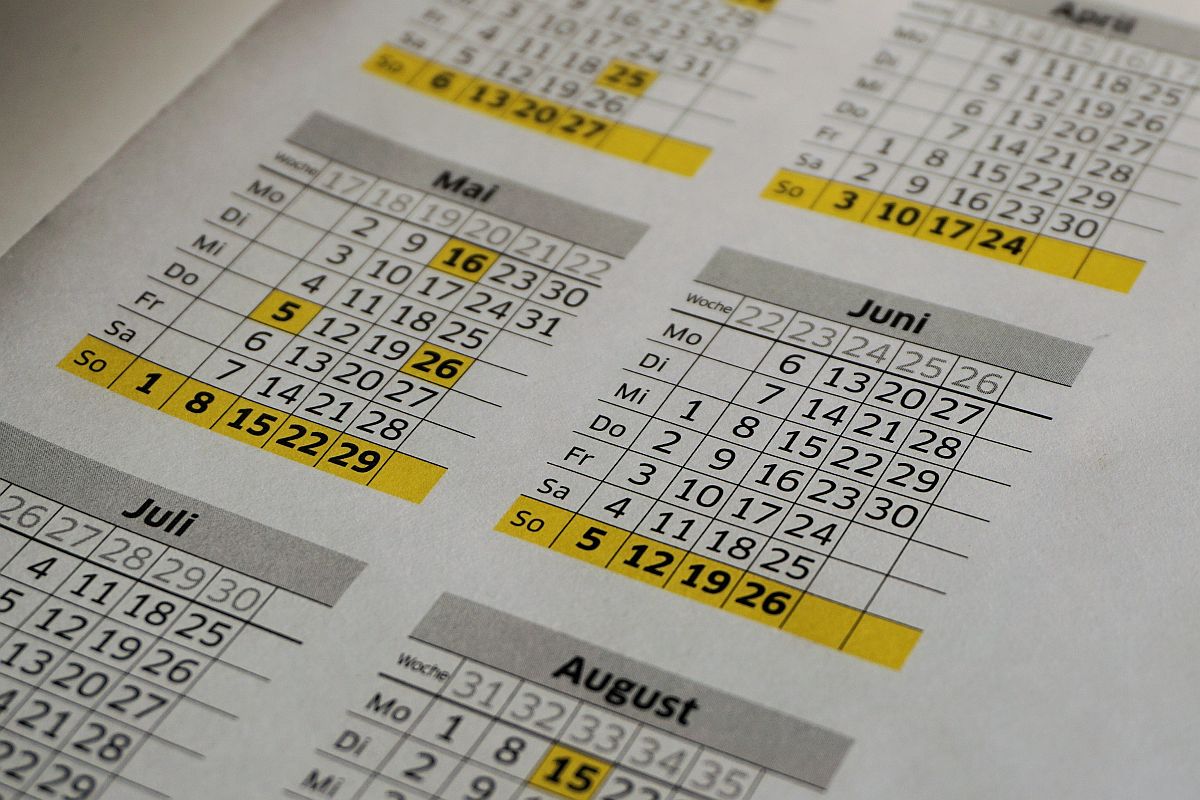
The math, quickly
- 365 ÷ 7 = 52 remainder 1 → 52 weeks + 1 day
- 366 ÷ 7 = 52 remainder 2 → 52 weeks + 2 days
On long-term average, the Gregorian calendar runs 365.2425 days/year, which is about 52.1775 weeks/year.
Why you sometimes hear “53 weeks”
There are two ways people talk about “weeks in a year”:
- Calendar days: As above, every year is 52 weeks + 1–2 days.
- ISO week-numbering year (ISO-8601): Weeks are labeled W01–W52 (sometimes W53).
- A year gets W53 if January 1 falls on a Thursday or if it’s a leap year starting on a Wednesday.
- Recent examples with 53 ISO weeks: 2015, 2020, 2026.
- This doesn’t mean the year is longer—just that the week labels run to 53.
(In payroll and accounting you’ll also hear about a “52/53-week year”—some fiscal calendars add a 53rd pay period every 5–6 years to stay aligned with weekdays.)
Handy implications & conversions
- Weeks per month (average): ~4.35 (not exactly 4).
- Biweekly pay periods per year: usually 26, occasionally 27 in 53-week payroll years.
- Weekend count: always 52 full weekends; some years have 53 Saturdays or 53 Sundays.
Quick FAQ
Is a year ever exactly 52 weeks?
No. 52 weeks is 364 days. The calendar year is 365 or 366 days.
Does a leap year have 53 weeks?
Not in day count—still 52 weeks + 2 days. In ISO week numbering, some leap years show W53.
How do I find the number of weeks between two dates?
Count the days between them and divide by 7. For planning, multiply years by 52.1775 weeks/year to get a long-term average.
Bottom line: A year isn’t a neat stack of 52 weeks—there’s always an extra day (or two). For labeling, some systems show a “53rd week,” but the year’s length doesn’t actually change.
Discover more from MultiMedia
Subscribe to get the latest posts sent to your email.


Leave a Reply