




Ukraine: Russia escalates strikes; U.S. hits oil majors
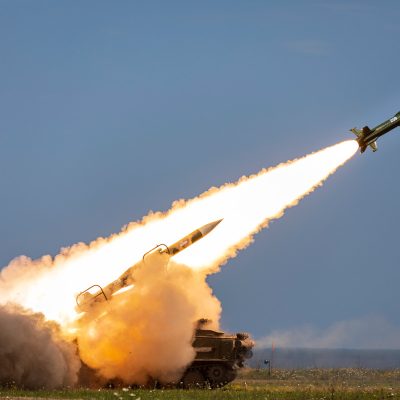
Russia launched another mass drone-missile barrage, hammering power infrastructure ahead of winter and injuring civilians in Kyiv. In a sharp policy turn, Washington sanctioned Rosneft and Lukoil, jolting oil markets and pushing India and Germany to weigh carve-outs as they assess energy exposure. EU leaders, meanwhile, are preparing a fresh multi-year financing plan for Kyiv. The combined military and economic pressure signals an attempt to raise costs on Moscow while keeping Ukraine’s grid alive through the cold season. (Reuters)
Gaza: fragile truce, court order on aid
A U.S.-brokered ceasefire that began Oct 10 remains fragile—punctuated by flare-ups—but both sides still profess commitment. The International Court of Justice just ordered Israel to facilitate humanitarian access, saying restrictions breached obligations, as U.S. envoys pressed for faster aid and further steps on hostage remains. The truce’s sustainability hinges on aid corridors, internal policing in Gaza, and parallel talks over next-phase terms. (The Guardian)
Japan makes history: Takaichi becomes PM
Japan’s parliament elected Sanae Takaichi as the country’s first female prime minister after the LDP chose her as leader. She inherits a fraught agenda: navigating U.S.–China rivalry, managing defense build-up and export controls, and reviving growth amid persistent cost pressures. Early signals suggest continuity on security and alliance policy, plus an emphasis on wage growth and semiconductor resilience. Cabinet formation and coalition math will shape how far she can move. (AP News)
U.S. shutdown hits day 23; travel risks climb
With Congress still gridlocked, the Senate again failed to pass a stopgap to pay essential workers, leaving air traffic controllers and TSA on the job without pay and prompting warnings of worsening delays. Data releases and corporate actions have been disrupted, and knock-on effects are spreading, from federal contracting to planned corporate restructurings. Leaders acknowledge another temporary funding bill may be necessary, but talks remain stalled. (The Guardian)
South China Sea: near-collision spikes tensions
The Philippines says a Chinese Coast Guard vessel rammed a Philippine ship near the Scarborough Shoal—one of several aggressive encounters this year. Manila condemned the “dangerous maneuvers,” while Beijing pressed maritime claims and advanced plans for a nature reserve that Manila calls a sovereignty overreach. The U.S. reiterated alliance commitments, underscoring the risk that an accident could trigger a wider crisis. (AP News)
Sudan: civilians massacred as siege tightens
Aid groups report dozens killed—including many women and children—after an RSF assault on El Fasher in North Darfur, amid near-total collapse of services. With access blocked and health facilities overwhelmed, agencies warn of famine and disease spirals. The conflict’s fragmentation, urban warfare, and obstruction of relief efforts are driving one of the world’s worst humanitarian crises, with mass displacement across borders. (AP News)
Mexico floods: mounting toll and damage
Days of torrential rain triggered landslides and catastrophic flooding across several states, pushing the death toll into the dozens and leaving many missing. Infrastructure losses include hundreds of kilometers of roads and large-scale power outages. The government has deployed thousands of responders as communities dig out; the disaster lays bare vulnerability to back-to-back tropical systems, even without a direct hurricane landfall. (Reuters)
Caribbean storm threat: Melissa intensifying
Tropical Storm Melissa is crawling across the northern Caribbean, already blamed for at least one death in Haiti and forecast to intensify rapidly over very warm waters. Jamaica and parts of Hispaniola face life-threatening flash floods and landslides; shelters are opening and schools have closed. Even without a direct hit, prolonged rainfall and saturated soils elevate risk. Forecasters warn Melissa could reach major-hurricane strength in coming days. (AP News)
Argentina secures U.S. swap; politics swirl
Buenos Aires announced a $20 billion currency-swap line with the U.S. Treasury, paired with a mooted $20 billion private facility—an extraordinary intervention aimed at stabilizing the peso before midterms. Markets cheered briefly, but critics in both countries decried politicization and moral hazard. The package’s durability will hinge on fiscal execution and whether the second tranche materializes after the vote. (Reuters)
Crypto shock: Trump pardons Binance founder
In a stunning move, President Trump pardoned Binance founder Changpeng “CZ” Zhao, prompting celebration in parts of the crypto industry and outrage among critics who say it undercuts accountability. The decision reshapes regulatory narratives just as Washington debates how to police digital-asset markets and offshore platforms. Markets and policymakers alike are digesting the precedent it sets. (Reuters)
Discover more from MultiMedia
Subscribe to get the latest posts sent to your email.




Leave a Reply