




Strategy is one of the fundamental elements of chess. To play strategically means to create plans, pursue objectives, and prepare the position for the later stages of the game. A player should not ask only what can be done immediately, but also what kind of position should be reached after several moves.
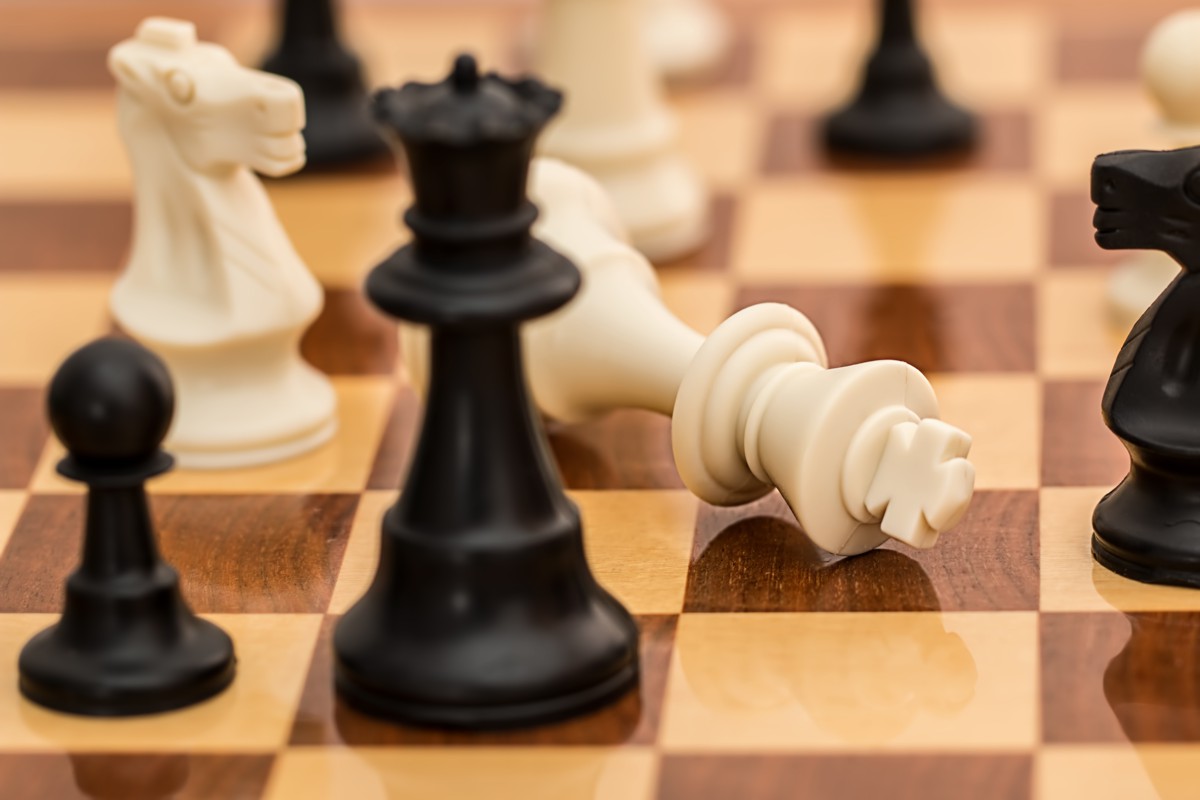
In chess, every move should have a purpose. Some moves develop pieces, others control the center, defend a weakness, create a threat, or improve king safety. A move may appear modest, yet prepare an important action for the future.
At the beginning of the game, for example, a player usually tries to bring the pieces into play as quickly as possible. The knights and bishops should be developed, the center should be controlled, and the king should be made safe, usually by castling. These objectives form a general opening plan.
In the middlegame, strategy becomes more complex. A player may try to occupy an open file with a rook, attack a weak pawn, gain control of a diagonal, or transfer pieces toward the area where an attack is planned. Sometimes a strategic plan requires several preparatory moves before its results become visible.
In the endgame, the objectives change again. The king, which had to be protected earlier, becomes an active piece. A player may try to create a passed pawn, centralize the king, or prevent an opposing pawn from promoting.
Strategy cannot be separated from logic. Every decision must be analyzed in relation to the actual position. A player may ask several questions:
- What is the opponent threatening?
- Which pieces are under attack?
- Which of my pieces is poorly placed?
- Where are the weaknesses in the opponent’s position?
- What will happen if I play the move I am considering?
- How can the opponent respond?
This process resembles solving a problem. The player identifies the important information, compares different variations, and chooses the solution that seems best.
The logic of chess can also be seen in the relationship between cause and effect. If a player brings the queen out too early, the opponent may attack it and gain time for development. If the king remains in the center, it may become the target of an attack. If a pawn advances, it may gain space but also leave weak squares behind.
Almost every move has both advantages and disadvantages. The player must compare them and decide whether the benefits outweigh the risks. In this way, chess develops the habit of avoiding hasty conclusions and examining the consequences of an action before carrying it out.
Another essential component is tactics. While strategy is mainly concerned with general plans and long-term objectives, tactics deals with concrete, usually short variations through which a player can win material, gain an immediate advantage, or deliver checkmate.
For example, a player may use a fork to attack two pieces at once, a pin to prevent a piece from moving, or a discovered attack to create an unexpected threat. Tactics takes advantage of the specific features of a position and can quickly change the course of a game.
Strategy and tactics complement each other. A good plan must be supported by precise moves, while a tactical combination often becomes possible because of a position achieved through sound strategic play. A player who ignores tactics may lose a piece immediately, while one who relies only on tactics may lack a coherent plan.
Chess also requires the ability to anticipate. Before moving, the player tries to imagine the opponent’s reply. It is not enough to see only one’s own idea. The player must assume that the opponent will find the best defense or the strongest counterattack.
Beginners often make the mistake of analyzing only what they themselves want to achieve. For example, they may prepare an attack on the opponent’s queen but fail to notice that their own king is threatened with checkmate. Correct chess thinking always begins with examining the opponent’s intentions.
Chess can therefore be understood as a logical dialogue. Every move asks a question, creates a threat, or proposes a plan, and the opponent responds with a move of their own. The game develops through this continuous sequence of actions and reactions.

The Game of Chess
Level up your chess knowledge. Rediscover the game.
Discover more from MultiMedia
Subscribe to get the latest posts sent to your email.





Leave a Reply