




Christmas is celebrated in some form on every inhabited continent, and while the details vary wildly, a lot of the underlying themes are surprisingly similar: light in the darkness, sharing food, giving gifts, and spending time with people you care about.
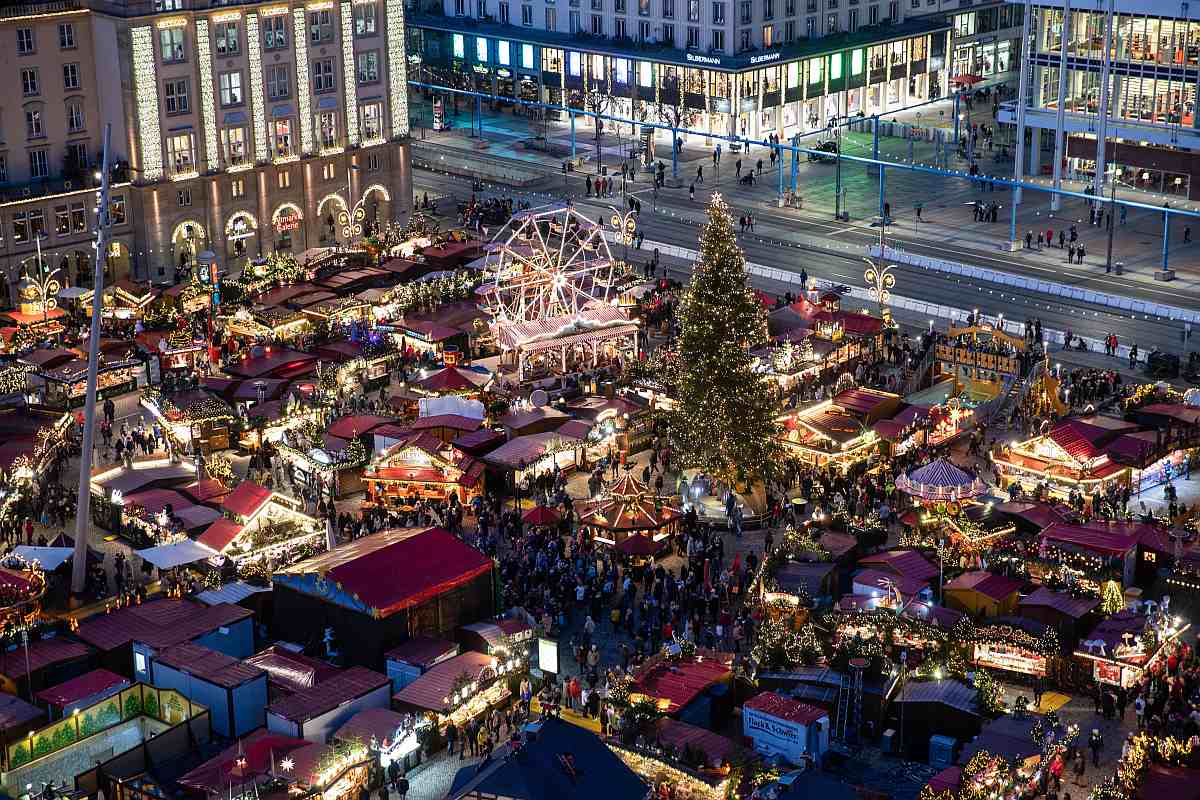
Here’s a tour of common Christmas traditions around the world.
Shared traditions you’ll see almost everywhere
Even though each place does Christmas in its own way, a few things pop up again and again:
Decorating with lights and greenery
- Lights on houses, trees and streets symbolize warmth and hope in the darkest time of year (in the Northern Hemisphere).
- Evergreen trees, wreaths and garlands represent life that continues through winter.
- Nativity scenes (depicting the birth of Jesus) are common in many Christian-majority countries, especially in Europe, Latin America, and parts of Africa.
Gift-giving
- Exchanging gifts is one of the most universal Christmas customs—sometimes on Christmas Eve, sometimes on Christmas Day, sometimes even on a different date (like January 6 in some countries).
- The gift-bringer might be Santa Claus, Father Christmas, Saint Nicholas, or a completely different figure (you’ll see some fun ones below).
Special meals and sweets
- Families often gather for a big festive meal, with foods that are strongly tied to local culture—roast meats in some countries, seafood or rice dishes in others.
- Cookies, cakes, and sweets are a big deal: gingerbread, panettone, fruitcakes, Christmas cookies, puddings, and more.
Music, church, and community
- Carols and Christmas songs are sung in churches, in the street, or door-to-door.
- Church services on Christmas Eve or Christmas Day are central in many Christian communities.
- Community events—markets, parades, charity drives—are part of the season in many places.
With those common threads in mind, let’s zoom in on how different regions celebrate.
Europe: Markets, feasts, and saints on the move
Germany & Central Europe
- Christmas markets (Weihnachtsmärkte): Town squares fill up with stalls selling crafts, ornaments, and hot drinks like mulled wine.
- Advent calendars & wreaths: Candles are lit on four Sundays before Christmas; kids open a calendar door each day in December.
- St. Nicholas Day (Dec 6): Children leave shoes or boots out. If they’ve been “good,” they find them filled with sweets or small gifts.
- Food: Roast goose or pork, red cabbage, potatoes, and cookies like Lebkuchen (spiced gingerbread).
United Kingdom & Ireland
- Christmas crackers: Two people pull a decorated tube that “pops”; inside are a paper crown, small toy, and a joke.
- Christmas pudding & mince pies: Traditional desserts, often served with custard or cream.
- Queen’s/King’s speech: Many families watch the monarch’s Christmas Day message on TV.
- Boxing Day (Dec 26): A public holiday with visiting, leftovers, and sometimes shopping or sports.
Italy
- Nativity scenes (presepi): Often more important than the tree; some are elaborate works of art.
- La Befana (Jan 6): A kind witch who brings gifts or sweets to children on Epiphany.
- Food: Fish-based meals on Christmas Eve in many regions; panettone or pandoro (sweet breads) for dessert.
Spain & Latin Europe
- Nochebuena (Christmas Eve): The main family gathering and big dinner.
- Midnight Mass (Misa del Gallo – “Rooster’s Mass”): A key religious service.
- Three Kings’ Day (Jan 6): In Spain and elsewhere, children receive many of their gifts from the Three Wise Men rather than from Santa.
Nordic countries (Sweden, Norway, Denmark, Finland, Iceland)
- Saint Lucia Day (Dec 13) in Sweden: Processions with children in white gowns and a “Lucia” wearing a crown of candles.
- Yule traditions: Many customs tie back to older, pre-Christian winter festivals.
- Sauna or baths: In places like Finland, families may visit the sauna on Christmas Eve as a cleansing ritual.
North America: Santa, stockings, and over-the-top decorations
United States & Canada
- Christmas trees at home: Often decorated with lights, ornaments, and a star or angel on top.
- Santa Claus: Allegedly arrives overnight on Christmas Eve, traveling by reindeer and chimney.
- Stockings: Hung by the fireplace (or wherever there’s room) and filled with small gifts.
- Neighborhood lights: Some communities go all-out with elaborate displays, inflatables, and synchronized lights.
- Food: Turkey or ham, stuffing, mashed potatoes, pies, eggnog, cookies left out for Santa.
Mexico & Central America
- Las Posadas (Dec 16–24): Processions reenacting Mary and Joseph’s search for lodging, ending in parties with food, songs, and piñatas.
- Piñatas: Often star-shaped, full of sweets and fruit.
- Feast of the Three Kings (Jan 6): Another gift-giving day, with special bread like Rosca de Reyes.
South America: Processions, fireworks, and outdoor celebrations
Brazil
- Missa do Galo (Midnight Mass): Attended by many on Christmas Eve.
- Ceia de Natal (Christmas dinner): Often served late on the 24th, with turkey, rice dishes, farofa, and lots of sweets.
- Fireworks: Common in big cities, especially Rio de Janeiro.
Other countries (Argentina, Chile, etc.)
- Because it’s summer, many celebrations include outdoor parties, barbecues, and beach trips.
- Midnight toasts and fireworks are popular as Christmas Eve turns into Christmas Day.
Africa: Blending Christian traditions with local culture
Ethiopia & Eritrea
- Ganna (Christmas) on January 7 (following the Ethiopian Orthodox calendar).
- Worshippers often wear white traditional clothing with colorful borders and attend long church services.
- The focus is strongly religious rather than on gifts.
Nigeria, Ghana, and other West African countries
- Church services and music feature prominently, with choirs, dancing, and vibrant clothing.
- Traveling “home”: Many people who live in cities return to their home villages for family gatherings.
- Food: Rice dishes (like jollof rice), stews, grilled meat, and local delicacies.
South Africa & Southern Africa
- Christmas falls in summer, so picnics, braais (barbecues), and beach trips are popular.
- Churches often hold outdoor services, and people decorate homes with both Western-style decorations and local touches.
Asia & the Pacific: From giant parols to KFC buckets
The Philippines
One of the longest Christmas seasons in the world—celebrations can start as early as September.
- Parol lanterns: Star-shaped lanterns made of paper or capiz shells, hung on homes and streets.
- Simbang Gabi: A series of pre-dawn or evening masses starting nine days before Christmas.
- Noche Buena: A big feast after Christmas Eve Mass, with dishes like lechon (roast pig), ham, and sweet treats.
Japan
Christmas is not a traditional religious holiday for most people, but it has popular cultural traditions:
- KFC Christmas dinners: Many families order fried chicken due to a famous marketing campaign decades ago.
- Christmas cake: A light sponge cake with strawberries and cream.
- Romantic holiday: For many couples, Christmas Eve is a date night, somewhat like Valentine’s Day.
India
- Midnight Mass: Central in Christian communities, especially in states like Kerala, Goa, and Northeast India.
- Decorations: In some regions, people decorate banana or mango trees instead of evergreens.
- Star lanterns: Paper or fabric stars hung outside homes.
China & East Asia (non-Christian-majority areas)
- Christmas is often more of a commercial or urban celebration:
- Malls and streets decorated with lights and trees.
- Gift exchanges among friends or couples.
- Sometimes quirky local customs, like giving apples wrapped in decorative paper on Christmas Eve (a play on words in Mandarin).
Australia & New Zealand
- Christmas happens in high summer, so:
- Beach trips, barbecues, and outdoor games are classic.
- Some still do a traditional roast lunch, but many opt for cold seafood and salads.
- Carols by Candlelight: Outdoor evening concerts where people sing carols together.
Eastern Christian traditions: Different dates, similar spirit
In many Orthodox Christian communities (like parts of Eastern Europe and the Middle East), Christmas is celebrated according to the Julian calendar, so:
- Christmas Day may fall on January 7 rather than December 25.
- Fasting before Christmas is common, with a major feast afterward.
- Traditional foods, songs, and dances vary by country but share the themes of hospitality and religious devotion.
Modern twists: Movies, matching pajamas, and more
On top of older customs, newer, globalized traditions have spread:
- Christmas movies and TV specials watched every year with family.
- Ugly Christmas sweaters parties in some Western countries.
- Matching family pajamas for photos on Christmas morning.
- Secret Santa gift exchanges among coworkers, classmates, and friend groups.
- Charity and volunteering, like donating toys, food, or time.
What all these traditions have in common
Despite the huge variety, most Christmas traditions around the world revolve around:
- Light (candles, lanterns, lights).
- Food (big shared meals and special treats).
- Gifts and generosity (for loved ones and for those in need).
- Storytelling and music (carols, nativity plays, legends of gift-bringers).
- Togetherness (family reunions, community events, church or other gatherings).
Christmas Holidays
Discover the Magic of the Season – An enriching journey through traditions, history, and the joy of Christmas

About Christmas
A free, fascinating deep-dive into the traditions, history, and spirit of the world’s most beloved holiday.
Discover more from MultiMedia
Subscribe to get the latest posts sent to your email.


Leave a Reply