




The U.S. Department of Justice published a massive new tranche of records tied to the federal investigations into Jeffrey Epstein, releasing more than 3 million pages alongside over 2,000 videos and about 180,000 images. The disclosure was billed as the final major release under the “Epstein Files Transparency Act,” a law signed in November 2025 that required the department to make its unclassified Epstein-related materials public, with legally mandated protections for victims.
At a tense press conference, Deputy Attorney General Todd Blanche said the new publication represents the bulk of what DOJ identified as responsive records—material drawn from files spanning roughly two decades, including federal investigations in Florida and New York, the prosecution of Ghislaine Maxwell, and inquiries related to Epstein’s 2019 death in custody. (justice.gov)
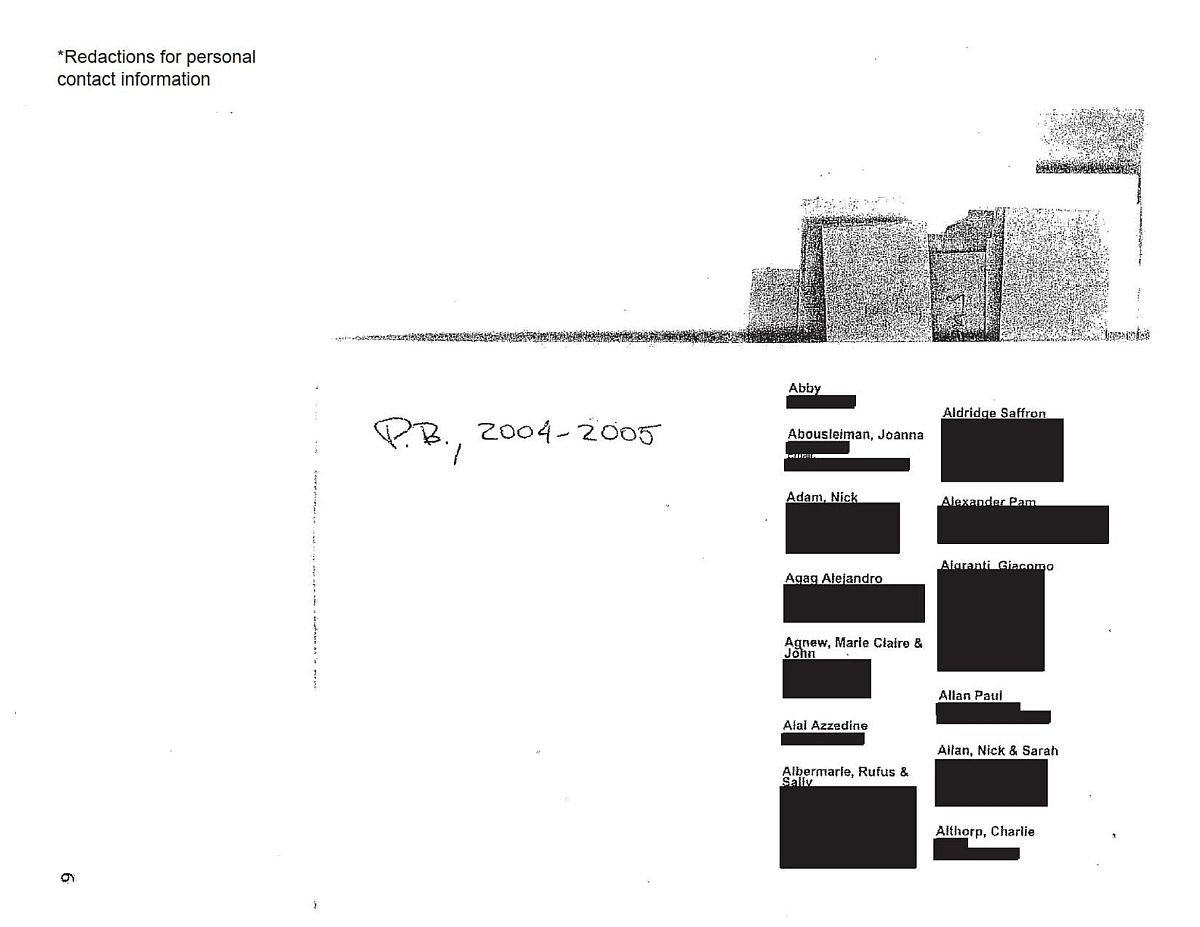
Why so much is still blacked out
Even with millions of pages released, the documents are heavily redacted. DOJ and major outlets reporting on the dump say the government withheld or obscured information that could identify victims, reveal personal or medical information, include child sexual abuse material, or interfere with any active investigative steps.
Officials also acknowledged that not everything reviewed could be released, including a subset withheld under legal privileges (such as attorney-client privilege). In Congress, skepticism remained: Senate Democratic Leader Chuck Schumer publicly questioned whether the administration fully complied with the law’s intent.
Political reverberations
Friday’s release arrives after DOJ missed a Dec. 19 statutory deadline and faced months of bipartisan pressure over perceived slow-walking and over-redaction. News coverage also noted continuing political sensitivity around Epstein’s ties to prominent figures, including Donald Trump and Bill Clinton, both of whom have denied wrongdoing.
What the files say about Romanians (based on reporting so far)
U.S. outlets covering today’s 3-million-page release have not, at least in initial reports, singled out new Romania-specific names or storylines. However, Romanian media reported in late December 2025 that earlier batches of the broader “Epstein files” contained references involving Romania—including one anonymized Romanian individual.
An anonymized Romanian woman listed as a payment recipient
Romanian outlets reported that a document included in the publicly released materials described a transfer of more than €30,000 to an account at Banca Transilvania in Iași, belonging to a Romanian woman whose name was anonymized/redacted by U.S. authorities.
These reports emphasized that the woman’s identity was protected and that the document discussed the payment in the context of investigators reviewing suspicious financial activity, not as a public allegation of criminal guilt. (Because the name is redacted, the public record does not allow independent identification.)
Romania mentioned in a broader trafficking “source countries” context
The same Romanian reporting said the released records referenced an anti–money laundering review at JPMorgan Chase that described Eastern Europe—including Romania—among countries discussed as sources for human trafficking risks.
What happens next
DOJ says it will provide Congress a report summarizing what was redacted or withheld, and lawmakers may seek access to less-redacted materials through oversight channels. Meanwhile, the document dump is likely to fuel renewed scrutiny of who appears in investigative leads and records—while the most sensitive details remain obscured to protect victims and comply with privacy and criminal-law constraints.
Discover more from MultiMedia
Subscribe to get the latest posts sent to your email.





Leave a Reply