




Holy Week is the most solemn and meaningful week in the Christian calendar. It begins with Palm Sunday and ends with Easter Sunday, tracing the final days of Jesus Christ’s earthly life, his suffering, death, and resurrection. For believers around the world, it is a time of prayer, reflection, repentance, and renewed hope.

Palm Sunday opens Holy Week with a note of celebration. It remembers Jesus entering Jerusalem while crowds welcomed him by waving palm branches and calling him king. Yet this joyful moment carries a deep sense of irony, because the same city that greets him will soon reject him. Palm Sunday reminds Christians how quickly human loyalty can shift, and it invites them to examine the sincerity of their own faith.
As the week continues, the tone becomes more contemplative. Holy Monday, Holy Tuesday, and Holy Wednesday are often marked by scripture readings, church services, and personal meditation. These days encourage believers to prepare their hearts for the events to come. In many traditions, this is a time to reflect on Jesus’ teachings about humility, justice, forgiveness, and vigilance.
Maundy Thursday commemorates the Last Supper, when Jesus shared a final meal with his disciples. During this meal, he washed their feet as an act of humble service and gave them a new commandment: to love one another. The word “Maundy” comes from this idea of commandment. This day highlights both the institution of the Eucharist in many Christian traditions and the model of selfless love that Jesus offered. It is a powerful reminder that greatness in the Christian life is expressed through service.
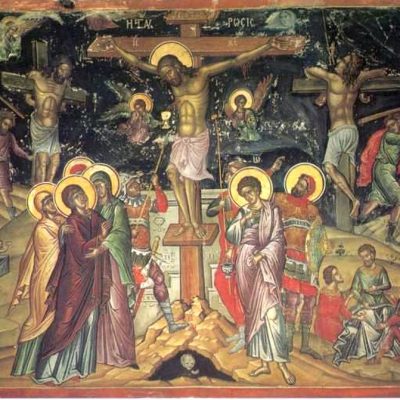
Good Friday is the darkest day of Holy Week. It recalls the trial, crucifixion, and death of Jesus. Churches often hold solemn services, read the Passion narrative, and observe silence or fasting. Though the name “Good Friday” may sound surprising, Christians call it good because they believe Christ’s sacrifice brought redemption to humanity. The day confronts painful realities: injustice, suffering, betrayal, and death. At the same time, it proclaims that love can endure even the worst violence and sorrow.
Holy Saturday is a quiet, waiting day. It sits between grief and joy, between the cross and the resurrection. For many Christians, it symbolizes the silence of uncertainty, the feeling that hope has disappeared, and the mystery of God’s work even when it cannot be seen. It is often overlooked, but it carries a profound spiritual truth: sometimes faith means waiting in darkness before dawn arrives.
Then comes Easter Sunday, the triumphant conclusion of Holy Week. Christians celebrate the resurrection of Jesus from the dead, seeing in it the victory of life over death, hope over despair, and grace over sin. Easter is not only the end of Holy Week but also the fulfillment of its meaning. Without Easter, the sorrow of Good Friday would remain unresolved. With Easter, the whole week becomes a story of transformation.
Holy Week continues to matter because it speaks to universal human experiences. It tells of joy and disappointment, loyalty and betrayal, pain and endurance, death and new life. Even beyond formal religious practice, its themes resonate deeply. It asks people to confront suffering honestly while refusing to believe that suffering has the final word.
In many cultures, Holy Week is observed with rich traditions: processions, special liturgies, fasting, communal meals, and dramatic reenactments of the Passion. These customs vary from place to place, but they share a common purpose: to help people enter the story not as distant observers, but as participants. Holy Week is meant to be lived, not merely remembered.
At its heart, Holy Week is an invitation. It calls people to humility, repentance, compassion, and hope. It challenges them to walk through sorrow without surrendering to despair. And it points toward the promise that after suffering can come renewal, and after death can come life.
That is why Holy Week remains so powerful. It is not simply a remembrance of ancient events. For millions, it is a living journey through the deepest realities of faith and the deepest needs of the human heart.

Easter Celebration
Dive into the Rich Traditions and History of Easter. Explore the Essence of Easter.

Easter Traditions
Dive into the fascinating world of Easter with a beautifully curated guide.
Discover more from MultiMedia
Subscribe to get the latest posts sent to your email.





Leave a Reply