




Lowering cholesterol is not about chasing a single number. It is about reducing the kind of cholesterol that raises cardiovascular risk—especially LDL, often called “bad” cholesterol—and lowering the chance of heart attack and stroke. In many people, high cholesterol is driven by lifestyle, but genetics, medical conditions, and some medicines can also play a role. (CDC)
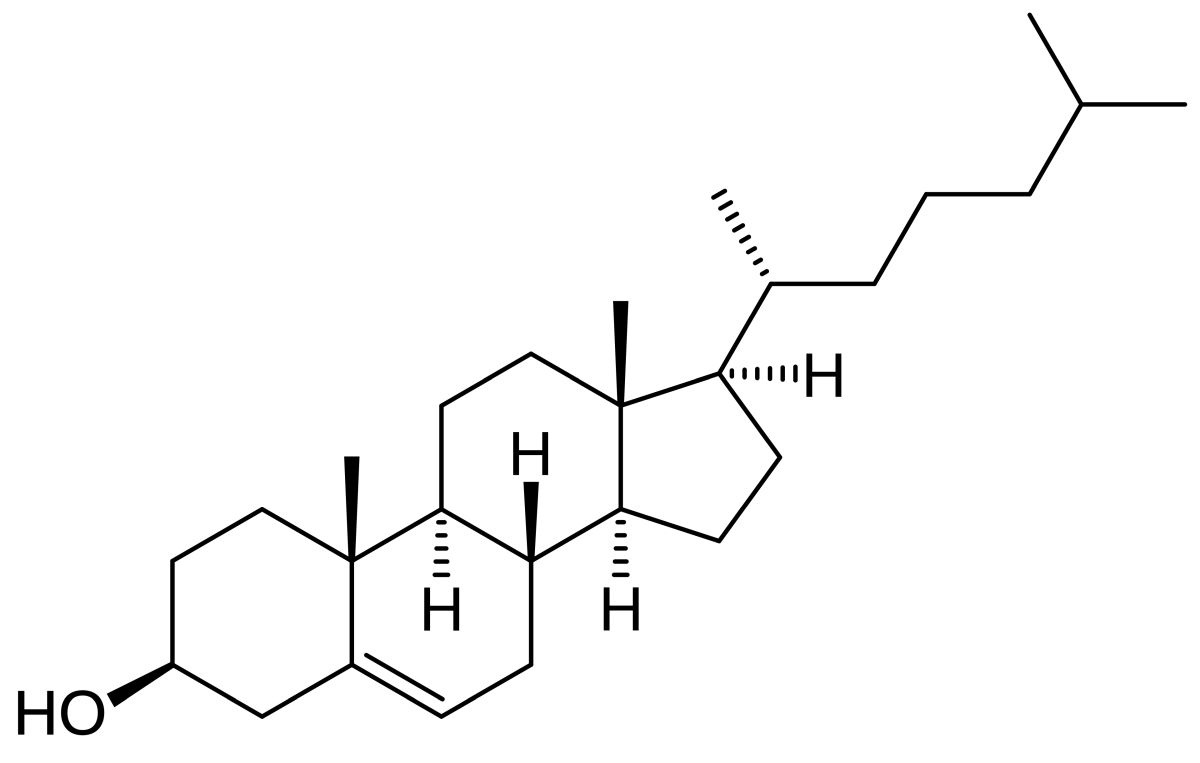
The first place to start is food. The most effective dietary shift is to cut back on saturated fat and avoid trans fat. Saturated fat is common in fatty cuts of meat, full-fat dairy, butter, and some tropical oils such as palm and coconut oil. Public health guidance consistently recommends choosing foods lower in saturated fat, trans fat, sodium, and added sugars, while building meals around vegetables, fruits, whole grains, beans, seafood, and lean proteins. This pattern helps lower LDL cholesterol and supports overall heart health. (CDC)
Adding the right foods matters just as much as removing the wrong ones. The NHLBI’s Therapeutic Lifestyle Changes program specifically recommends soluble fiber and plant stanols or sterols because they can help reduce cholesterol absorption. In practice, that means eating more oats, barley, beans, lentils, fruit, vegetables, nuts, and other fiber-rich foods, while using heart-healthier fats in place of butter or heavily processed fats. A diet pattern such as DASH can also help because it is built around whole foods and has been shown to improve heart-risk factors, including LDL cholesterol. (NHLBI, NIH)
Physical activity is another cornerstone. Current U.S. guidance recommends adults get 150 to 300 minutes of moderate-intensity activity each week. Regular exercise can improve cholesterol patterns, support weight loss or weight maintenance, and reduce cardiovascular risk overall. You do not need a perfect gym routine to benefit; brisk walking, cycling, swimming, dancing, or any activity you can sustain consistently counts.
Weight management can make a meaningful difference, especially if you carry excess body weight. Even modest weight loss can help improve LDL and triglyceride levels in some people. Smoking cessation is also important. Smoking worsens cardiovascular risk and is one of the major factors clinicians consider when deciding how aggressively to treat cholesterol. When someone has both high cholesterol and smoking exposure, the overall risk becomes more concerning than either factor alone. (CDC)
Lifestyle changes are essential, but they are not always enough. Statins are usually the first medication used to lower LDL cholesterol because they reduce cholesterol production in the liver. If statins are not enough or are not appropriate, other medicines such as ezetimibe or PCSK9 inhibitors may be added. Medication is especially likely to be recommended for people with established cardiovascular disease, adults ages 40 to 75 with diabetes, or people with very high LDL cholesterol, such as 190 mg/dL or higher. For some adults ages 40 to 75 without known cardiovascular disease, a statin may also be recommended based on their overall 10-year cardiovascular risk and other risk factors. (Hearth)
It is also important to know when cholesterol may not be mainly about lifestyle. Familial hypercholesterolemia is an inherited condition that causes very high LDL cholesterol from a young age and usually requires early treatment with medication. Other medical problems can also push cholesterol up, including conditions such as diabetes or hypothyroidism, and some medicines may contribute as well. That is why very high cholesterol should be discussed with a clinician rather than treated as a do-it-yourself problem.
The most effective way to lower cholesterol is usually a combination approach: eat less saturated and trans fat, increase soluble fiber and other minimally processed plant foods, exercise regularly, manage weight, avoid smoking, and use medication when your risk is high or your LDL remains elevated. The goal is not simply to “eat healthier” in a vague sense, but to make a few specific changes you can maintain for years. Consistency matters more than intensity. (CDC)
This article is for general information and does not replace medical care. If you have known heart disease, diabetes, a strong family history of early heart disease, or LDL cholesterol around 190 mg/dL or higher, it is worth speaking with a clinician about whether you need medication in addition to lifestyle changes. (Hearth)

Fish and Fishing
Dive into the depths of knowledge about fish, fishing, and aquatic life!

Climate Change – Global Warming
The history, science, and socio-economic implications of global warming.

COVID-19 Pandemic – Philosophical Approaches
Philosophy meets the pandemic to answer questions about humanity, society, and life itself.
Discover more from MultiMedia
Subscribe to get the latest posts sent to your email.


Leave a Reply