




Print-on-demand (POD) is a fulfillment model where products are manufactured only after a customer places an order. Instead of holding inventory, you upload designs to a platform or connect a supplier to your online store. When someone buys, the supplier prints, packs, and ships the item under your brand.
Think of it as just-in-time manufacturing for custom goods—great for creators, brands, and entrepreneurs who want to sell without buying stock upfront.
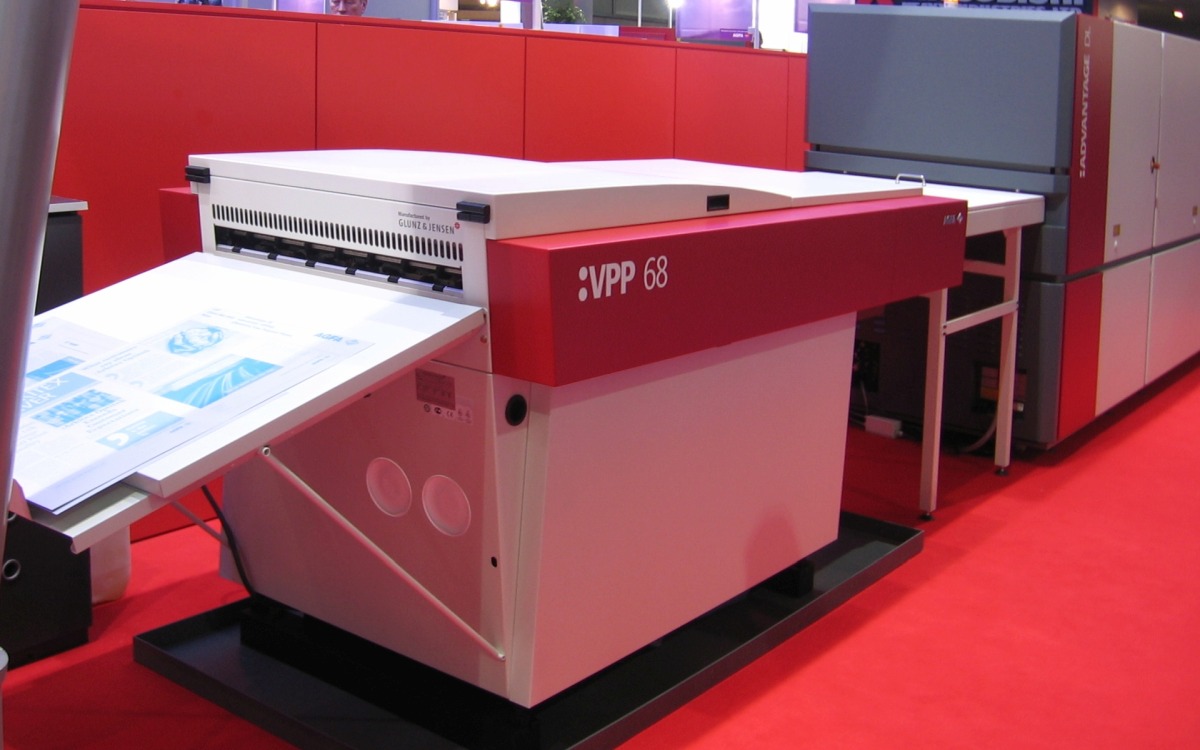
How POD works (end-to-end)
- Create a design
Artwork, phrase, pattern, photo—saved at print size (usually 300 DPI), in sRGB. PNG for transparency; JPEG for photos. - Choose a platform & supplier
- Marketplaces (e.g., Redbubble, Teemill): they host the store and handle traffic; you get lower control and margins.
- Store + integrator (e.g., Shopify/WooCommerce/Etsy + Printful/Printify/Gelato): you own the storefront; the app routes orders to a printer.
- Direct to a printer: custom contracts, best for scale and control.
- Create product listings
Upload art to blank products (t-shirts, mugs, posters, phone cases, etc.), position the print, generate mockups, write titles/descriptions, set pricing. - Customer orders
Payment is captured in your store/marketplace. - Auto-routing to the printer
Order details (SKU, size, color, ship-to) are sent to the POD provider. You’re charged the base + print + shipping costs. - Production & branding
The print is produced, then packaged—often with your logo on packing slips or branded inserts/labels. - Shipping & tracking
Tracking is sent back to your store; the customer receives notifications. - After-sales
You handle customer service. For damaged/misprints, most providers reprint; for sizing regrets, policies vary.
Common printing methods (quick guide)
- DTG (Direct-to-Garment): Inkjet-style printing onto cotton tees/hoodies. Best for colorful, detailed art and small runs.
- Dye-Sublimation: Heat-transfers dye into polyester or coated items (all-over tees, mugs). Vivid, durable; needs poly content.
- Screen Print (on-demand variants): Layered inks; strong color pop. Some providers batch to reach minimums.
- Embroidery: Stitched logos/letters; premium look, limited detail, higher cost.
- UV/Engraving: Hard goods (acrylic, metal, wood) with full-color prints or laser etching.
What can you sell?
Apparel, hats, tote bags, posters/canvas, stickers, journals, phone cases, mugs, water bottles, cushions, blankets, wall art, desk mats, puzzles—and increasingly unique items (all-over prints, shoes, jewelry cards).
Pros and cons
Pros
- No inventory or upfront bulk buys
- Wide catalog with instant variations (sizes, colors, countries)
- Easy to test niches and iterate designs
- Fulfillment automation + global shipping
Cons
- Lower margins than bulk manufacturing
- Production variability (color, sizing, placement)
- Shipping times vary by region and season
- Less control over QC and packaging unless you pay for upgrades
Costs, pricing & margins (simple math)
Your unit profit = Sale price − (Base product + Print + Shipping you pay + Platform fees + Paid ads per order).
Illustrative example (numbers vary by provider/platform):
- Base + print for tee: €11.20
- Shipping billed to you: €4.00
- Platform/payment fees (assume): 8% of sale price
- You charge customer €22.00 and offer €3.50 shipping (you’ll eat €0.50 of the actual €4.00)
Calculation:
- Fees: 8% × €22.00 = €1.76
- Your total cost: €11.20 + €4.00 + €1.76 = €16.96
- Your total revenue: €22.00 (item) + €3.50 (shipping) = €25.50
- Profit: €25.50 − €16.96 = €8.54 per shirt (before ads).
Adjust price, shipping, or product choice to hit your target margins.
Tip: order a sample to verify quality before scaling; revise price after you know the true landed cost.
Quality & file prep checklist
- Design at print size, 300 DPI, sRGB.
- Safe areas: keep key elements away from edges and seams.
- Max print area (varies by product; e.g., tees ~12″×16″ / 30×40 cm).
- Avoid tiny text or thin lines; mind contrast on dark garments.
- For embroidery: simplify art; convert to solid shapes/limited colors.
Shipping, returns, and customer experience
- Offer clear size charts and care instructions to reduce returns.
- Be transparent: made-to-order items may ship in 3–7 business days (varies).
- Create policies for wrong size vs. misprint/damage. Most PODs cover production errors; buyer-remorse is on you.
- Use branded packing slips, inserts, or neck labels (if available) for a cohesive brand feel.
Choosing a provider (what to compare)
- Catalog & print methods for your products
- Regions & average ship times to your main markets
- Base costs and shipping rates (including surcharges)
- Branding options (inserts, labels, custom packaging)
- Integrations (Shopify, Etsy, Woo, marketplaces)
- SLA & reprint policy for defects
- Sustainability options (organic, recycled, on-demand batching)
Launch plan (quick start)
- Pick a niche (audience + style).
- Create 5–10 designs that fit a single theme.
- Choose a storefront (your own site or Etsy) and a POD integrator that serves your target countries.
- Build listings with clear mockups, size charts, and SEO-friendly titles.
- Order samples, photograph them (or use high-quality mockups), and sanity-check colors/placement.
- Set pricing to your target margin (usually 2.5–4× base cost, depending on item).
- Launch with one core product per design (e.g., unisex tee) before expanding variants.
- Drive traffic (email, social, collabs, UGC, light ads). Iterate based on what actually sells.
Common mistakes to avoid
- Relying only on default mockups—use lifestyle photos when possible.
- Too many products at launch; start focused.
- Ignoring shipping costs in pricing.
- Over-detailed art for embroidery or tiny print areas.
- No samples—leads to surprises and returns.
- Vague policies: spell out processing times and returns.
Light legal/IP reminders
- Only use artwork you own or have licensed.
- Avoid trademarked names, logos, and copyrighted characters.
- Keep model/property releases for photos where necessary.
- Respect marketplace policies—violations can get listings removed.
FAQ (fast)
Is POD the same as dropshipping?
Similar logistics (supplier ships for you), but POD makes unique, made-to-order items with your design.
How fast is fulfillment?
Typically 2–7 business days to make, plus carrier shipping time (varies by region/season).
Can I brand packaging?
Often yes: branded packing slips, inserts, stickers; full custom packaging sometimes costs extra.
What about quality control?
Order samples from the exact provider/region that will fulfill your customers’ orders, and keep a QC checklist.
Bottom line
POD lets you launch a branded product line with minimal upfront risk. Start small, validate designs, price with all costs in mind, and build systems for consistent quality and clear communication. Once you dial in a product–market fit, it scales cleanly—without a garage full of boxes.


Solaris, directed by Andrei Tarkovsky – Psychological and philosophical aspects
Discover the interplay of psychology, philosophy, and cinema in one of the greatest cinematic masterpieces of all time.

Israel – between history and the present
A book about the state of Israel, about its fascinating history and the events of the past few years. Israel is an island of peace in an ocean of geopolitical turbulence. The State of Israel at 70 Years of History … Read More

Texas Hold Em Poker Game Guide for Tournaments
Discover the strategies, psychology, and secrets of Texas Hold ‘Em.
Discover more from MultiMedia
Subscribe to get the latest posts sent to your email.


Leave a Reply